

SKU #43805
·
52 views
Rodyna
Table Beet
SAKATAUser rating
0 votes0% positive reviews
No ratings yet — be the first.
Type
Detroit Type
Direction
Bunch products, Recycling
Root; shape
Cylindrical
Root vegetable; color
Dark Red
About product

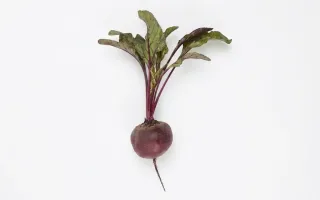
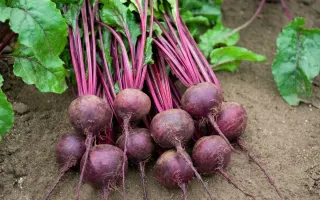
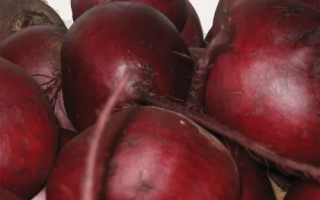
Table beet RODYNA (Rodina) is a mid-early hybrid with a maturity period of 120-125 days, intended for cultivation in open ground. The roots are cylindrical, have a smooth surface, and a rich dark-red color. The flesh is dark burgundy, tender and juicy, free of coarse fibers and rings, ensuring excellent taste qualities. The root weight varies from 280 to 350 grams, and sugar content ranges from 8-…
Type
Detroit Type
Direction
Bunch products, Recycling
Root; shape
Cylindrical
Root vegetable; color
Dark Red
Description
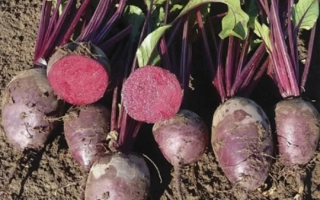
Table beet RODYNA (Rodina) is a mid-early hybrid with a maturity period of 120-125 days, intended for cultivation in open ground. The roots are cylindrical, have a smooth surface, and a rich dark-red color. The flesh is dark burgundy, tender and juicy, free of coarse fibers and rings, ensuring excellent taste qualities. The root weight varies from 280 to 350 grams, and sugar content ranges from 8-10%, making this variety ideal for fresh consumption, processing, juice production, and natural coloring. The plant features upright dark-green leaves and high yield with good fruit uniformity. RODYNA exhibits high resistance to diseases such as cercosporosis and powdery mildew, contributing to stable yields and good root storability. For optimal growth, it is recommended to cultivate beets on fertile, neutral soils, and on heavy soils — on ridges. Best preceding crops include early potatoes, cucumbers, onions, pumpkins, and zucchini. In autumn, apply compost and, if necessary, lime, and in spring — complex mineral fertilizers. Sow seeds in late April — early May at a depth of 2-3 cm, with row spacing of 25-30 cm and seed spacing of 8-10 cm, without thinning required. The recommended seeding rate is 550-650 thousand seeds per hectare, while maintaining optimal soil moisture for full plant development. The weight of 1000 seeds varies from 14 to 20 grams, and the number of seeds per gram ranges from 50 to 70. Beet seeds of RODYNA can also be sown in late October — early November for winter sowing, expanding the agronomic versatility of the hybrid. Regular care includes loosening, fertilizing, and watering, which contribute to achieving maximum yield and product quality.
Crop & resistance
Disease resistance
Specifications hover over for a hint about the specification
|
Type
Type
Galia (Galia) type — relatively new, of Israeli origin, although there are indications that this variety may originate from Spain. The fruits of this type are round or oval, weighing about 1 kg. The surface is smooth, covered with a delicate, connected netting, turning yellow whe... |
|
|---|---|
|
Direction
Direction
Existing varieties and types of cabbage are grown for fresh consumption, long-term storage, and technical processing. |
|
|
Root; shape
Root; shape
Roots can be round, elongated-round, cylindrical, conical. |
|
|
Root vegetable; color
Root vegetable; color
Carrot root can be orange, red-orange, pink, yellow, white, purple. The intensity of color depends on the content of pigments. |
|
|
Root vegetable; rings
Root vegetable; rings
The flesh color is blood-red, red without rings or with noticeable rings of lighter colors, reaching white. The higher the quality of the beet, the fewer the white layers in the cross-section. |
|
|
Maturation Period
Maturation Period
Vegetation period from emergence to technical maturity 30-50 days. |
110-120 days |
| Registration year | 2024 |
| Catalog | Catalog → Table Beet |
| Manufacturer | SAKATA |
| Country | Japan |
Store offers
Prices are updated on loadLoading offers…
Aggregator catalog: prices are collected automatically from store websites, normalized by AI and converted at the current exchange rate. Before ordering, confirm the price and availability on the store's website. This block is not indexed by search engines — the data is loaded after the page opens.
Not yet комментариев. Be the first!
Alternatives
Table beet seeds · similar varieties





See also
Often considered together with this variety






Recently viewed
Products you’ve viewed on this site
Reviews · 0