


SKU #60749
·
38 views
KURBAS
Sugar Beet
STRUBEUser rating
0 votes0% positive reviews
No ratings yet — be the first.
Direction Type
Normal-sugar type (NZ)
Ploidy Type
Diploid
Root vegetable; size
Large
Root; shape
Broadly conical
About product

KURBAS is a single-stem diploid hybrid of sugar beet intended for cultivation in various regions of Russia, including Central, Volga-Vyatka, Central Black Earth, and North Caucasus. The hybrid is characterized by late maturity and high sugar content, making it attractive for sugar production. The plant is of medium height with semi-erect or intermediate leaf positioning, which have medium green in…
Direction Type
Normal-sugar type (NZ)
Ploidy Type
Diploid
Root vegetable; size
Large
Root; shape
Broadly conical
Description
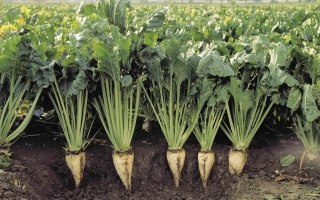
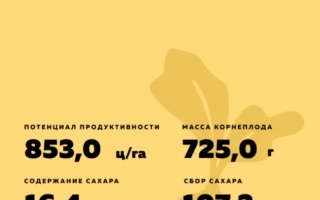
KURBAS is a single-stem diploid hybrid of sugar beet intended for cultivation in various regions of Russia, including Central, Volga-Vyatka, Central Black Earth, and North Caucasus. The hybrid is characterized by late maturity and high sugar content, making it attractive for sugar production. The plant is of medium height with semi-erect or intermediate leaf positioning, which have medium green intensity, light green petioles, and strong leaflet wrinkling. The root crop is broadly conical, long or medium length, with a weight of about 850 grams, which contributes to high yield. Yield of KURBAS varies depending on the region: in the Central region it reaches 705.5 c/ha with 19.9% sugar content, and in the Volga-Vyatka region it is 620.2 c/ha with 20.8% sugar content. In the Central Black Earth and North Caucasus regions, yield is 519 and 572 c/ha respectively, with sugar content of about 17–18%. High sugar output and sugar harvest (up to 138.7 c/ha in the Central region) make this hybrid economically viable for the sugar industry. Late harvest dates allow flexible planning of agro-technical measures. KURBAS is distinguished by high resistance to main diseases of sugar beet. During years of testing, no infections by root rots and cercosporosis were noted, and no root-lesion nematode damage was observed in most regions. In some regions, moderate susceptibility to root rots and root-lesion nematode is noted, but the overall resistance of the hybrid allows reducing crop loss risks. Due to these characteristics, KURBAS is a reliable choice for farmers seeking high and quality sugar beet yield.
Crop & resistance
Crop
Disease resistance
Specifications hover over for a hint about the specification
| Direction Type | |
|---|---|
| Ploidy Type | |
| Root vegetable; size | |
|
Root; shape
Root; shape
Roots can be round, elongated-round, cylindrical, conical. |
|
| Sugar Content | 17-18%, 19-20% |
| Registration year | 2020 |
| Catalog | Catalog → Sugar Beet |
| Manufacturer | STRUBE |
| Country | Germany |
Store offers
Prices are updated on loadLoading offers…
Aggregator catalog: prices are collected automatically from store websites, normalized by AI and converted at the current exchange rate. Before ordering, confirm the price and availability on the store's website. This block is not indexed by search engines — the data is loaded after the page opens.
Not yet комментариев. Be the first!
Alternatives
Sugar beet seeds · similar varieties




See also
Often considered together with this variety





Recently viewed
Products you’ve viewed on this site
Reviews · 0