


SKU #60960
·
34 views
Kulon
Sugar Beet
User rating
0 votes0% positive reviews
No ratings yet — be the first.
Direction Type
Normal-Yield Type (NE)
Ploidy Type
Diploid
Root vegetable; size
Large
Sugar Content
17-18%
About product

A reliable, high-yield diploid hybrid with strong disease resistance and consistent sugar content.
Direction Type
Normal-Yield Type (NE)
Ploidy Type
Diploid
Root vegetable; size
Large
Sugar Content
17-18%
Description
Practical insights on «Kulon» sugar beet hybrid
For farm operators and agronomists, the choice of «Kulon» is driven by the need for consistency. Classified as a normal-yielding type (NE), this hybrid offers a reliable performance that helps in managing logistics and harvesting schedules effectively. It is a workhorse variety designed to deliver stable results under standard farming conditions.
Disease management and field health
The primary operational advantage of «Kulon» is its robust resistance profile. Dealing with root rot, cercospora, powdery mildew, and various rots can be a major expense, but this hybrid significantly mitigates these risks. By reducing the pressure of these pathogens early on, you save on excessive fungicide applications and minimize the risk of yield losses. It is a predictable variety that allows for a streamlined crop protection program, saving both time and inputs.
Field performance characteristics
- Diploid type: Delivers high germination energy and uniform stand density, crucial for achieving target harvest populations.
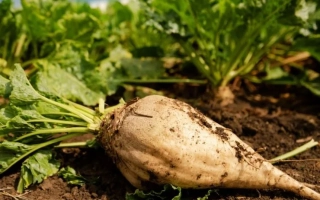
- Large root size: Facilitates efficient harvesting; large roots are easier to retrieve without excessive damage, simplifying the adjustment of harvester depth.
- Sugar content (17–18%): Offers a reliable sugar percentage that aligns well with processing standards, ensuring high quality of the raw material delivered to the plant.
Operating with «Kulon» is straightforward. The hybrid exhibits vigorous foliage growth that effectively covers the inter-row space, creating a natural competitive barrier against weeds. This reduces the need for constant mechanical weeding and makes field maintenance much more efficient. Developed by the Pervomayskaya Research Station, this hybrid is a practical choice for those who value genetic potential coupled with high field tolerance to common sugar beet diseases.
Crop & resistance
Crop
Disease resistance
Specifications
| Direction Type | |
|---|---|
| Ploidy Type | |
| Root vegetable; size | |
| Sugar Content | 17-18% |
| Registration year | 2011 |
| Catalog | Catalog → Sugar Beet |
| Legal data |
Show · 11
|
| Country | Russia |
Store offers
Prices are updated on loadLoading offers…
Aggregator catalog: prices are collected automatically from store websites, normalized by AI and converted at the current exchange rate. Before ordering, confirm the price and availability on the store's website. This block is not indexed by search engines — the data is loaded after the page opens.
Not yet комментариев. Be the first!
Alternatives
Sugar beet seeds · similar varieties


See also
Often considered together with this variety



Recently viewed
Products you’ve viewed on this site
Reviews · 0