Description
Sowing dates
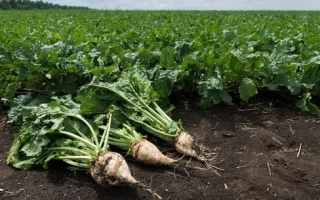
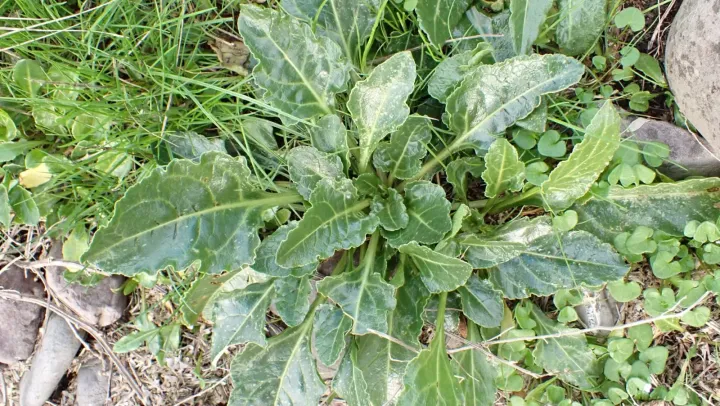
Sugar beet (Beta vulgaris L. subsp. vulgaris) is a vital industrial crop belonging to the Amaranthaceae family, grown primarily for sucrose extraction. Planting typically begins when soil temperatures at seeding depth reach 6–8°C.
Standard seeding depth ranges from 2 to 4 cm to ensure optimal moisture contact and emergence. Uniform spacing is crucial to prevent plant competition for light and nutrients.
High-precision pneumatic seeders are standard in modern farming to maintain a density of 100,000–120,000 plants per hectare. This density is essential for maximizing yield potential per square meter.
Crop rotation is fundamental; sugar beet should not follow other Chenopodiaceae crops to avoid buildup of soil-borne pathogens. Cereals represent the best preceding crop for beet production.
Soil preparation involves deep plowing to remove compaction, ensuring the taproot can penetrate deeply. A firm, fine-textured seedbed is required to support uniform germination and development.
Growing requirements
Sugar beets thrive in deep, fertile soils, particularly loams and silt loams with high organic matter content. Soil pH should ideally be neutral or slightly alkaline, as acidity significantly hampers growth.
Water availability is the most limiting factor during the peak growth season in mid-summer. Consistent moisture is required to sustain rapid root expansion and biomass accumulation.
The crop requires high levels of solar radiation; therefore, weed control is non-negotiable. Even partial shading during the early growth stages can drastically reduce final sugar content.
Balanced fertilization with N, P, and K is necessary, based on soil testing. Excessive nitrogen levels at the end of the season can lead to high impurity levels, complicating sugar refining.
Proper field drainage is critical, as waterlogged conditions lead to root rot and oxygen deficiency. Managing soil structure is a key component of sustainable sugar beet agronomy.
Yield
Average yields under intensive cultivation systems often range from 60 to 80 tonnes per hectare. The objective is to maximize both total root mass and sucrose concentration, typically 16–18%.
Harvest scheduling is based on sugar accumulation curves, which are influenced by temperature fluctuations in autumn. Cooler nights in late season help convert starch into sucrose.
Quality parameters include sugar content and the presence of non-sugar components like potassium, sodium, and amino nitrogen. These factors determine the efficiency of the factory extraction process.
Advanced hybrid varieties developed through modern breeding programs provide increased resistance to diseases and improved storage characteristics. This helps in maintaining quality during long-term stockpiling.
Yield stability is heavily influenced by site-specific factors such as climate, soil health, and the precision of fertilizer application. Integrated management ensures long-term farm profitability.
Main diseases and pests
Major diseases affecting sugar beet include Cercospora leaf spot, powdery mildew, and root rot (Rhizoctonia). Management involves fungicide applications and resistant variety selection.
Pests like the beet weevil and various aphids can cause significant damage to seedlings. Regular field scouting is necessary to trigger timely intervention and avoid stand loss.
- Cercospora leaf spot reduces photosynthetic capacity.
- Beet weevils consume leaves and cause developmental delays.
- Root aphids can cause severe stunted growth.
Weed management is vital throughout the first 8–10 weeks after emergence. Selective herbicide programs are standard to keep the field clean during the slow initial growth phase.
Environmental monitoring and weather data help predict infection windows for major diseases. Proactive management strategies are the best defense against crop failure.
Harvesting
Sugar beet harvesting is highly mechanized, utilizing specialized harvesters that perform defoliation, lifting, and cleaning in a single pass. Speed and efficiency are key during the limited harvesting window.
Careful handling of the beets is essential to minimize mechanical damage and soil tare. Beets with high damage rates have shorter storage lives and higher sugar losses.
The logistics chain must be perfectly synchronized with sugar factory capacity to keep fresh supply moving without long-term stockpiling in fields. Quick transport is critical.
When storage is required, beets are piled in ventilated heaps protected from frost. Temperature control is monitored to minimize respiration losses during storage.
Post-harvest by-products, such as tops, are often repurposed as livestock feed or silage. This adds extra value to the sugar beet production cycle and supports circular agriculture.
Content graph
Connections · Sugar beet
Most often together:
Marketplace
Products · 961