


SKU #61092
·
39 views
Sugar beet LBMS 65
Sugar Beet
Prices in stores
No offers yet — stores have not added prices for this product yet.
Similar varieties with prices
-
SIOUXSESVANDERHAVE NV/SA
from 6.3 €за л
-
 SUGAR BEET DEMETERDLF
from 82.79 €
SUGAR BEET DEMETERDLF
from 82.79 €
-
 LMS 2009FGBNU VNII Saharnoj Svekly i Sahara imeni A.L. Mazlumova
from 29.27 €
LMS 2009FGBNU VNII Saharnoj Svekly i Sahara imeni A.L. Mazlumova
from 29.27 €
-
 LINEAR MS 05May Day Sugar Beet SCS
from 3.42 €
LINEAR MS 05May Day Sugar Beet SCS
from 3.42 €
Direction Type
Normal-sugar type (NZ)
Ploidy Type
Diploid
Root vegetable: size
Large
Sugar Content
17-18%, 18-19%, 19-20%
Your mark
0 votes
0% positive ratings
Description
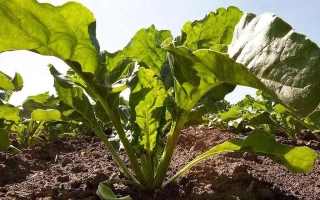
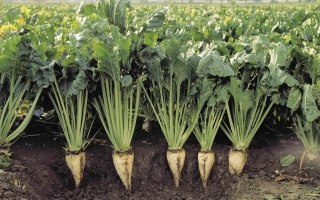
LBMS 65 is a single-seed diploid hybrid of sugar beet (Beta vulgaris L. ssp. vulgaris var. saccharifera Alef.) intended for cultivation in various climatic zones. The hybrid belongs to the mid-late ripening group and is characterized by high sugar content and good yield. The plant was created on a sterile NZ-type base, which ensures stability and uniformity of the sowing material. Root crop mass varies by region and averages from 410 to 529 grams, indicating large fruit size of the variety.
Hybrid LBMS 65 is distinguished by high sugar content, reaching an average of 17.9–20.2%, which ensures high sugar collection—up to 69 hundredweight per hectare. Root crop yield is also high and varies depending on the growing region: from 292 to 365 hundredweight per hectare. Such indicators make this hybrid attractive to agrarians focused on obtaining a high-quality and economically viable sugar beet harvest.
In addition to high productivity, LBMS 65 has good resistance to major sugar beet diseases. The hybrid is weakly affected by root rots, cercosporosis, and root nematodes, which reduces crop losses and reduces the need for intensive chemical protection. Thanks to its adaptability to various climatic conditions, the hybrid is successfully grown in regions with different agro-climatic features, including the Central Black Earth, North Caucasus, Middle Volga, Lower Volga, Ural, and West Siberian regions.
Hybrid LBMS 65 is distinguished by high sugar content, reaching an average of 17.9–20.2%, which ensures high sugar collection—up to 69 hundredweight per hectare. Root crop yield is also high and varies depending on the growing region: from 292 to 365 hundredweight per hectare. Such indicators make this hybrid attractive to agrarians focused on obtaining a high-quality and economically viable sugar beet harvest.
In addition to high productivity, LBMS 65 has good resistance to major sugar beet diseases. The hybrid is weakly affected by root rots, cercosporosis, and root nematodes, which reduces crop losses and reduces the need for intensive chemical protection. Thanks to its adaptability to various climatic conditions, the hybrid is successfully grown in regions with different agro-climatic features, including the Central Black Earth, North Caucasus, Middle Volga, Lower Volga, Ural, and West Siberian regions.
Crop & resistance
Crop
Disease resistance
Specifications
| Direction Type | |
|---|---|
| Ploidy Type | |
| Root vegetable: size | |
| Sugar Content | 17-18%, 18-19%, 19-20% |
| Registration year | 1999 |
| Catalog | Catalog → Sugar Beet |
| Legal data |
Show · 1
|
| Country | Russia |
No reviews yet. Be the first to share your experience.
Alternatives
Sugar beet seeds · similar varieties




See also
Often considered together with this variety




Recently viewed
Products you’ve viewed on this site
Reviews