


SKU #42624
·
73 views
YAKARI
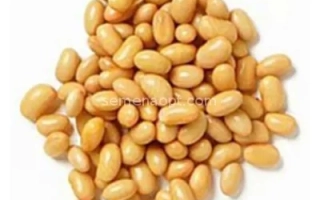
Soybean
P.H.PETERSEN SAATZUCHT LUNDSGAARDUser rating
0 votes0% positive reviews
No ratings yet — be the first.
Growing Season
100-110 days
Plant; plant height
70-80cm
Plant: Height of Lower Pod Attachment
14-16cm
Seeds: oil content
22-23%
Store offers · 1 from 1 stores
Prices are updated on loadLoading offers…
Available at: Агроексперт-Трейд
Aggregator catalog: prices are collected automatically from store websites, normalized by AI and converted at the current exchange rate. Before ordering, confirm the price and availability on the store's website. This block is not indexed by search engines — the data is loaded after the page opens.
About product

Early-maturing German soybean variety with high protein content and excellent pod clearance for efficient harvesting.
Growing Season
100-110 days
Plant; plant height
70-80cm
Plant: Height of Lower Pod Attachment
14-16cm
Seeds: oil content
22-23%
Description
Precision and Productivity: The Yakari Advantage
P.H.Petersen Saatzucht Lundsgaard is known for its uncompromising German breeding standards. The "Yakari" soybean variety is designed for farmers who prioritize yield stability and harvest efficiency. If you are looking for a reliable, early-maturing crop that fits perfectly into a tight, high-intensity rotation, this variety is a top-tier candidate.
Key Field Performance Metrics
- Harvest Optimization: With the lower pods attached at a height of 14–16 cm, "Yakari" significantly reduces harvest losses. This height is optimal for modern combine headers, ensuring clean grain and efficient field speed.
- Growth Cycle: A vegetation period of 100–110 days provides the operational flexibility needed to clear fields early, allowing for timely soil preparation for subsequent winter crops or ensuring harvest is completed before autumn weather risks arise.
- High-Quality Output: Boasting a protein content of 41–43% and oil levels of 22–23%, "Yakari" offers superior biochemical value, making it a highly marketable commodity for both processing and export.
Operational Scenarios
Standing 70–80 cm tall, "Yakari" creates a vigorous, uniform canopy that provides excellent ground cover. This natural suppression of weeds reduces the reliance on heavy chemical interventions, helping to lower production costs. In field practice, "Yakari" is best utilized in systems where precision planting and adequate moisture management during the flowering and pod-filling stages can unlock its full genetic potential.
Because the variety matures early and evenly, farmers can stagger their harvesting operations, effectively smoothing out the labor and equipment demand during the busy season. For operations aiming to optimize their logistics and secure high-protein yields, "Yakari" provides a predictable, high-performing solution that minimizes downtime and maximizes the return on investment per hectare.
Crop & resistance
Crop
Specifications
| Growing Season | 100-110 days |
|---|---|
| Plant; plant height | 70-80cm |
| Plant: Height of Lower Pod Attachment | 14-16cm |
| Seeds: oil content | 22-23% |
| Seeds: protein content | 41-43% |
| Registration year | 2020 |
| Catalog | Catalog → Soybean |
| Manufacturer | P.H.PETERSEN SAATZUCHT LUNDSGAARD |
| Country | Germany |
Not yet комментариев. Be the first!
Alternatives
Soybean seeds · similar varieties


See also
Often considered together with this variety






Recently viewed
Products you’ve viewed on this site
Reviews · 0