


SKU #63777
·
51 views
Soybean YASELDA
Soybean
OOO 'SOYa-SEVER KO'User rating
0 votes0% positive reviews
No ratings yet — be the first.
Growing Season
Up to 90 days
Plant; plant height
60-70cm, 70-80cm
Seeds: oil content
21-22%, 22-23%
Seeds: protein content
35-37%, 37-39%, 39-41%
About product

YASELDA soybean is an early-maturing agricultural crop intended for cultivation in the Central and Central Black Earth regions. The plant has a semi-determinate or intermediate growth type, with a height of 60 to 80 cm, and is characterized by good branching ability and resistance to lodging. The leaves are brownish-reddish, the flowers are purple, and the pods are brown. The seeds are elongated,…
Growing Season
Up to 90 days
Plant; plant height
60-70cm, 70-80cm
Seeds: oil content
21-22%, 22-23%
Seeds: protein content
35-37%, 37-39%, 39-41%
Description
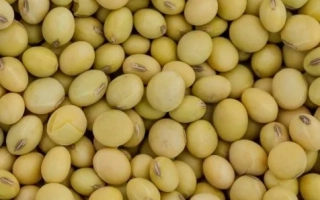
YASELDA soybean is an early-maturing agricultural crop intended for cultivation in the Central and Central Black Earth regions. The plant has a semi-determinate or intermediate growth type, with a height of 60 to 80 cm, and is characterized by good branching ability and resistance to lodging. The leaves are brownish-reddish, the flowers are purple, and the pods are brown. The seeds are elongated, yellow with a black hilum, and the mass of 1000 seeds varies from 122 to 170 grams depending on growing conditions. The variety is distinguished by high yield, averaging from 11.9 to 30 centners per hectare, with maximum indicators achieved in the Oryol region. The seeds contain a significant amount of protein – from 32.2% to 40%, as well as fat within 21-23.2%, making this variety attractive for agricultural production and subsequent use in the food and feed industries. YASELDA soybean demonstrates yield stability even when crops are thinned, which indicates its adaptive properties and reliability under various agro-technical conditions. The variety was developed by the Belarusian Institute of Genetics and Cytology, and the originator is LLC "SOYA-NORTH CO". YASELDA soybean is intended for comprehensive use in agriculture, including planting, care, harvesting, and storage. Thanks to its agronomic characteristics and resistance to adverse factors, this variety is a profitable choice for farmers seeking to obtain a high and quality soybean yield.
Crop & resistance
Crop
Disease resistance
Specifications
| Growing Season | Up to 90 days |
|---|---|
| Plant; plant height | 60-70cm, 70-80cm |
| Seeds: oil content | 21-22%, 22-23% |
| Seeds: protein content | 35-37%, 37-39%, 39-41% |
| Registration year | 2004 |
| Catalog | Catalog → Soybean |
| Manufacturer | OOO 'SOYa-SEVER KO' |
| Country | Russia |
Store offers
Prices are updated on loadLoading offers…
Aggregator catalog: prices are collected automatically from store websites, normalized by AI and converted at the current exchange rate. Before ordering, confirm the price and availability on the store's website. This block is not indexed by search engines — the data is loaded after the page opens.
Not yet комментариев. Be the first!
Alternatives
Soybean seeds · similar varieties


See also
Often considered together with this variety






Recently viewed
Products you’ve viewed on this site
Reviews · 0