


SKU #63584
·
48 views
Soybean VNIIS 18
Soybean
User rating
0 votes0% positive reviews
No ratings yet — be the first.
Growing Season
100-110 days
Plant; plant height
70-80cm
Seeds: oil content
20-21%
Registration year
2020
About product

VNIIS 18 soybean variety is a mid-early determinate variety intended for cultivation in the Far Eastern region, including Amur Oblast and Khabarovsk Krai. Plants reach an average height of about 72–77 cm, with erect semi-compact bushes having one or two branches. Leaves are lanceolate, lateral leaflets of the compound leaf are triangular, the hypocotyl lacks anthocyanin coloration, which gives the…
Growing Season
100-110 days
Plant; plant height
70-80cm
Seeds: oil content
20-21%
Registration year
2020
Description
VNIIS 18 soybean variety is a mid-early determinate variety intended for cultivation in the Far Eastern region, including Amur Oblast and Khabarovsk Krai. Plants reach an average height of about 72–77 cm, with erect semi-compact bushes having one or two branches. Leaves are lanceolate, lateral leaflets of the compound leaf are triangular, the hypocotyl lacks anthocyanin coloration, which gives the plant a distinctive appearance. The vegetation period is approximately 108–114 days, and the sum of effective temperatures for maturity is 2200–2600 °C. Harvesting periods are mid-early, allowing for effective planning of agro-technical measures.
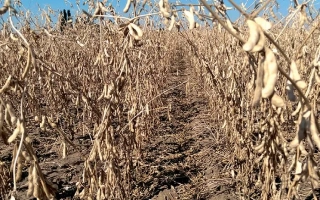
VNIIS 18 variety is distinguished by high yield and resistance to unfavorable factors. Average yield in the region reaches 21 centners per hectare, while maximum indicators reach 34.3 c/ha. Plants possess high immune status, are resistant to various fungal and bacterial diseases, and effectively resist pests. Stems are strong and do not fall over, and beans maintain integrity even in heavy rains and winds, which contributes to yield preservation and quality.
VNIIS 18 seeds are yellow in color with a yellow hilum; the mass of 1000 seeds varies from 133 to 148 grams. Approximately 65% of pods contain four seeds, which is an advantage for obtaining a high output of the product. Seeds are rich in protein (about 32%) and fat (about 20%), making this variety attractive for use in the food and feed industries. Due to its adaptability to changing weather and soil conditions, VNIIS 18 is a reliable choice for farmers seeking to obtain a stable and high-quality soybean crop.
VNIIS 18 variety is distinguished by high yield and resistance to unfavorable factors. Average yield in the region reaches 21 centners per hectare, while maximum indicators reach 34.3 c/ha. Plants possess high immune status, are resistant to various fungal and bacterial diseases, and effectively resist pests. Stems are strong and do not fall over, and beans maintain integrity even in heavy rains and winds, which contributes to yield preservation and quality.
VNIIS 18 seeds are yellow in color with a yellow hilum; the mass of 1000 seeds varies from 133 to 148 grams. Approximately 65% of pods contain four seeds, which is an advantage for obtaining a high output of the product. Seeds are rich in protein (about 32%) and fat (about 20%), making this variety attractive for use in the food and feed industries. Due to its adaptability to changing weather and soil conditions, VNIIS 18 is a reliable choice for farmers seeking to obtain a stable and high-quality soybean crop.
Crop & resistance
Crop
Specifications
| Growing Season | 100-110 days |
|---|---|
| Plant; plant height | 70-80cm |
| Seeds: oil content | 20-21% |
| Registration year | 2020 |
| Catalog | Catalog → Soybean |
| Legal data |
Show · 2 |
| Country | Russia |
Store offers
Prices are updated on loadLoading offers…
Aggregator catalog: prices are collected automatically from store websites, normalized by AI and converted at the current exchange rate. Before ordering, confirm the price and availability on the store's website. This block is not indexed by search engines — the data is loaded after the page opens.
Not yet комментариев. Be the first!
Alternatives
Soybean seeds · similar varieties



See also
Often considered together with this variety


Recently viewed
Products you’ve viewed on this site
Reviews · 0