


Prices in stores
No offers yet — stores have not added prices for this product yet.
Similar varieties with prices
-
ES Harmattan / EC ArmatanEuralis Semences
from 50.69 €
-
 ORANGE 160
from 1.29 €
ORANGE 160
from 1.29 €
-
 YankeeADVANTA
from 21.88 €
YankeeADVANTA
from 21.88 €
-
 MR EclipseADVANTA
from 64.82 €
MR EclipseADVANTA
from 64.82 €
Direction
Grain, Hay, Silage
Vegetation Period
90-100 days
Grain: Tannin Content
Absent
Registration year
2014
Your mark
0 votes
0% positive ratings
About product
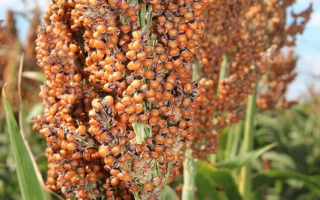
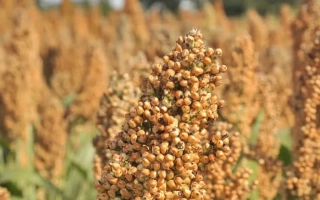
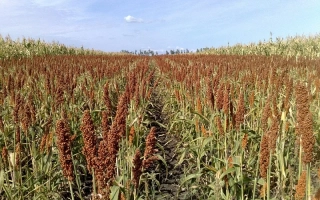
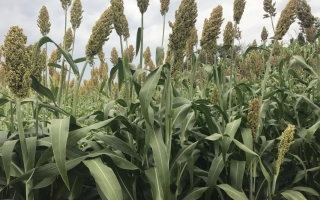
A versatile tannin-free sorghum hybrid designed for high-quality grain, silage, and hay production within 90–100 days.
Description
Agrotechnical profile of «Progress» Sorghum
The «Progress» sorghum hybrid, developed by V.I. Vernadsky Crimean Federal University, is a versatile crop engineered for intensive farming environments. A critical technical feature of this variety is the complete absence of tannins, classifying it as a high-value forage crop suitable for direct livestock consumption without the need for expensive pretreatment processes.
Production Potential and Growth Cycle
With a vegetation period of 90–100 days, this variety falls into the medium-early maturity category. This allows for flexible crop rotation integration and ensures grain maturation even in regions with shorter growing seasons. The technological versatility of the hybrid is defined by its triple-use application:
- Grain: high dry matter yield and optimized protein profile.
- Silage: ideal balance of fiber and sugars for superior fermentation.
- Hay: dense foliage structure provides nutritious roughage.
Why it matters for farm operations
The absence of tannins significantly improves feed palatability and nutrient digestibility in livestock. Unlike varieties with high polyphenol content, «Progress» requires no specialized enzymatic additives to neutralize anti-nutritional factors. For the agronomist, this translates into lower production costs for livestock output and predictable results regardless of whether the harvest is designated for grain, silage, or hay production.
Crop & resistance
Crop
Specifications
| Direction | |
|---|---|
| Vegetation Period | 90-100 days |
| Grain: Tannin Content | |
| Registration year | 2014 |
| Catalog | Catalog → Sorghum |
| Manufacturer | V.I. Vernadskogo University |
| Legal data |
Show · 1 |
| Country | Ukraine |
No reviews yet. Be the first to share your experience.
Alternatives
Sorghum seeds · similar varieties




See also
Often considered together with this variety




Recently viewed
Products you’ve viewed on this site
Reviews