


SKU #71224
·
71 views
VIL 5
Sea Buckthorn
ВИЛАРUser rating
0 votes0% positive reviews
No ratings yet — be the first.
Decorative Plants
Sea Buckthorn
Ripening Period (days from flowering to harvest)
110–120 days
Berry Color
Bright orange
Flavor
Sour-sweet
Store offers · 4 from 2 stores
Prices are updated on loadLoading offers…
Available at: Akb-ok · Biosad · Esad
Aggregator catalog: prices are collected automatically from store websites, normalized by AI and converted at the current exchange rate. Before ordering, confirm the price and availability on the store's website. This block is not indexed by search engines — the data is loaded after the page opens.
About product

A consistently high-yielding variety with robust resistance to major sea buckthorn pests and diseases.
Decorative Plants
Sea Buckthorn
Ripening Period (days from flowering to harvest)
110–120 days
Berry Color
Bright orange
Flavor
Sour-sweet
Description
The VILAR Breeding Heritage: Why «VIL 5» is a Professional Choice
The «VIL 5» sea buckthorn variety is the result of in-depth scientific research by experts at the All-Russian Scientific Research Institute of Medicinal and Aromatic Plants (VILAR). Unlike many market hybrids developed for mass retail, this variety was originally designed as a reliable workhorse for farms where harvest stability and resistance to pathogens are paramount.
Agronomic Potential and Productivity
The crop demonstrates outstanding performance when basic agrotechnical standards are met. The key features that define the variety's reputation in the professional community include:
- Consistent Fruiting: yields range from 15 to 20 kg per adult bush, which is an excellent metric for this type of sea buckthorn.
- Ripening Period: the vegetation period from flowering to technical maturity takes 110–120 days. This allows for planning the harvest campaign without the risk of encountering extreme early frosts.
- Immune Status: a key advantage of «VIL 5» is its high genetic resistance to Fusarium wilt and the sea buckthorn fly — the primary threats capable of destroying up to 80% of the crop in susceptible varieties.
Gastronomy and Aesthetics
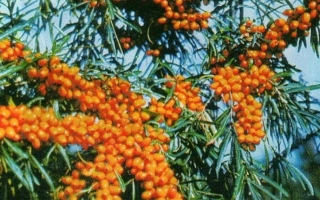
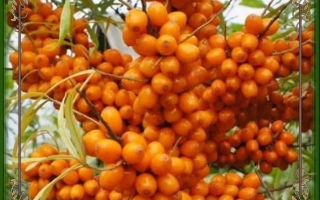
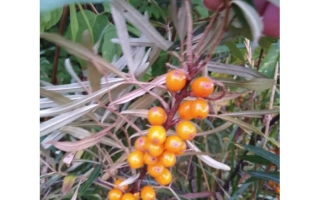
The bright orange berries of the variety possess a balanced sweet-and-sour flavor, making them ideal for universal use: from deep-freezing and drying to the production of high-quality oils and juices. Beyond its productivity, the plant is highly ornamental, allowing it to be used both in commercial orchards and for landscaping private plots. By investing in «VIL 5», the grower receives a product with a predictable outcome, backed by decades of academic research from VILAR.
Crop & resistance
Crop
Disease resistance
Pest resistance
Specifications
| Decorative Plants | |
|---|---|
| Ripening Period (days from flowering to harvest) | 110–120 days |
| Berry Color | |
| Flavor | |
| Yield (kg per plant) | 15–20 kg |
| Assignment | |
| Registration year | 1998 |
| Catalog | Catalog → Sea Buckthorn |
| Manufacturer | ВИЛАР |
| Legal data | |
| Country | Russia |
Not yet комментариев. Be the first!
Alternatives
Sea buckthorn saplings · similar varieties


See also
Often considered together with this variety


Recently viewed
Products you’ve viewed on this site
Reviews · 0