


Decorative Plants
Sea Buckthorn
Berry Color
Orange
Flavor
Sweet with a hint of tartness
Purpose
For Fresh Consumption, Processing
Your mark
0 votes
0% positive ratings
Store offers · 9 from 6 stores
9 offers in 6 stores — from 4.05 € per plant.
Available at: Сад от А до Я · Sadovnik-sam · Интернет магазин садовых растений Все Сорта · Agromir · zeleniyrai-ru · zelionii-dvorik-ru
Prices are collected automatically from store websites and converted at the current exchange rate. Check the price and availability on the store website before ordering.
About product
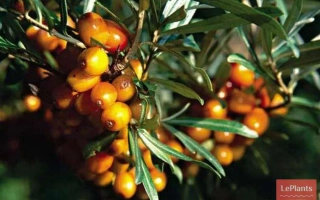
Vibrant orange berries with a sweet, refined flavor, perfectly blending ornamental beauty with high fruit yield.
Description
Essel Sea Buckthorn: Aesthetic Appeal and Productivity
The «Essel» variety from FANZA stands out in the planting stock market by balancing aesthetic elegance with high nutritional value. Unlike many wild forms that are difficult to harvest due to thorns and small berry size, «Essel» reflects a breeding approach focused on the grower's comfort and the consumer's taste preferences.
Key Features of the Variety
- Ornamental Potential: With its harmonious crown shape and vibrant foliage, the plant serves as a stunning accent in landscape design, far surpassing typical wild sea buckthorn in visual appeal.
- Flavor Profile: The berries possess a distinctively sweet taste complemented by a light, refreshing tartness. This balance makes the variety ideal for fresh consumption, where flavor quality is paramount.
- Versatility in Processing: Due to the skin structure and high juice content, «Essel» is highly sought after for processing into everything from vitamin-rich concentrates to natural oils and jams.
Strengths and Considerations
The main advantage of «Essel» is its consistent fruiting and resilience against common sea buckthorn pathogens in temperate climates. However, like any high-quality cultivar, it requires proper lighting and soil management. Without adequate care, berry size may fluctuate, which is characteristic of most hybrids in this category.
This variety is an optimal choice for both private garden owners and commercial growers aiming for the premium fresh market, where the vibrant orange color and superior taste of the berries drive market demand.
Video · 3 videos
Suggest a video →Crop & resistance
Crop
Specifications
| Decorative Plants | |
|---|---|
| Berry Color | |
| Flavor | |
| Purpose | |
| Registration year | 2016 |
| Catalog | Catalog → Sea Buckthorn |
| Manufacturer | FANCA |
| Legal data |
Show · 1
|
| Country | Russia |
No reviews yet. Be the first to share your experience.
Alternatives
Sea buckthorn saplings · similar varieties




See also
Often considered together with this variety


Recently viewed
Products you’ve viewed on this site
Reviews