


SKU #67556
·
37 views
Amber
Raspberry
User rating
0 votes0% positive reviews
No ratings yet — be the first.
Ripening Period
Everbearing
Berry Color
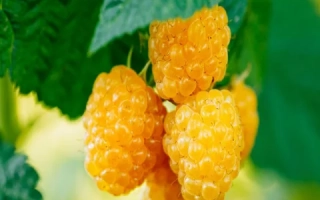
Yellow
Berry Shape
Round
Berry weight (g)
3-5
Prices in stores
from1.65 €per seedling
pack from 1.65 € per 1 pcs
1 offer from 1 store
Store offers · 1 from 1 stores
Prices are updated on loadLoading offers…
Available at: Zemlyanika
Aggregator catalog: prices are collected automatically from store websites, normalized by AI and converted at the current exchange rate. Before ordering, confirm the price and availability on the store's website. This block is not indexed by search engines — the data is loaded after the page opens.
About product

A golden remontant raspberry variety known for its sweet flavor and exceptional winter hardiness.
Ripening Period
Everbearing
Berry Color
Yellow
Berry Shape
Round
Berry weight (g)
3-5
Description
A Legacy of Horticultural Breeding
The 'Yantarnaya' raspberry is a prominent achievement by renowned breeders Ivan Kazakov and Sergey Evdokimenko at the Federal Research Center for Horticulture. This variety reflects a strong tradition of agricultural research, focusing on the synergy between aesthetic appeal and reliable productivity in temperate climates.
Key Characteristics
- Berry Profile: These berries are distinct for their round shape and attractive golden-yellow hue. With an average weight of 3–5 grams, they offer a pleasant, sweet taste profile, making them a favorite for fresh consumption.
- Remontant Potential: As a remontant variety, it provides continuous fruiting, allowing for an extended harvest period that lasts until the first frosts.
- Hardiness and Ease of Care: The plant is noted for its high winter hardiness. Its low spine density is a significant benefit for growers, simplifying both plant maintenance and the harvesting process.
Market Position and Use
In the current horticultural market, 'Yantarnaya' holds a solid reputation as a reliable 'dessert' variety. Beyond its appeal as a fresh snack, the berries are highly suitable for processing, including deep freezing and culinary applications like preserves, where their vibrant yellow color remains visually striking. This variety is an ideal choice for farmers and gardeners seeking a tried-and-true genetic resource that balances winter resilience with consistent, high-quality output.
Video · 1 video
Suggest a video →Specifications hover over for a hint about the specification
|
Ripening Period
Ripening Period
It takes 70-100 days until pepper reaches flowering stage, 130-160 days until technical fruit ripeness, and 135-180 days until physiological ripeness. |
Everbearing |
|---|---|
| Berry Color | |
| Berry Shape | |
| Berry weight (g) | 3-5 |
| Flavor | |
| Barkiness of branches | |
| Cold Resistance | |
| Suitable for recycling | Yes |
| Suitable for freezing | Yes |
| Fruiting | |
| Registration year | 2008 |
| Catalog | Catalog → Raspberry |
| Legal data |
Show · 9
|
| Country | Russia |
Not yet комментариев. Be the first!
Alternatives
Raspberry saplings · similar varieties




See also
Often considered together with this variety


PRIOBSKAYA
ФГУП Новосибирская зональная станция садоводства Россельхозакадемии
033 1 offer
3.69 € ≈ 190 ₴


Recently viewed
Products you’ve viewed on this site
Reviews · 0