


SKU #67574
·
42 views
ARCHED
Raspberry
ФГУП Новосибирская зональная станция садоводства РоссельхозакадемииUser rating
0 votes0% positive reviews
No ratings yet — be the first.
Ripening Period
Medium
Berry Color
Red
Berry Shape
Conical
Berry weight (g)
3-5
Store offers · 1 from 1 stores
Prices are updated on loadLoading offers…
Available at: Akb-ok
Aggregator catalog: prices are collected automatically from store websites, normalized by AI and converted at the current exchange rate. Before ordering, confirm the price and availability on the store's website. This block is not indexed by search engines — the data is loaded after the page opens.
About product

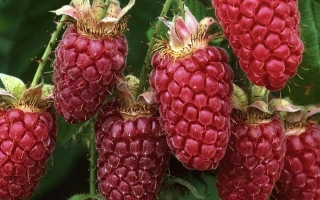
The 'Arched' raspberry variety features a semi-dwarf, spreading bush with stems ranging from 1.5 to 2 meters in length. The canes are purplish, of medium thickness, and covered with large, stiff thorns, requiring care during maintenance and harvest. This non-remontant variety is mid-season, with the first berries available for tasting from the second year of the plant's life. The berries are large…
Ripening Period
Medium
Berry Color
Red
Berry Shape
Conical
Berry weight (g)
3-5
Description
The 'Arched' raspberry variety features a semi-dwarf, spreading bush with stems ranging from 1.5 to 2 meters in length. The canes are purplish, of medium thickness, and covered with large, stiff thorns, requiring care during maintenance and harvest. This non-remontant variety is mid-season, with the first berries available for tasting from the second year of the plant's life. The berries are large, conical in shape, red with a glossy sheen, weighing between 2.8 and 5.2 grams. They possess an excellent sweet-sour flavor with a pleasant aroma and firm drupelets. Arched raspberries are distinguished by high yields, reaching up to 5.7 tons per hectare, and good berry transportability. The plant prefers light, sunny areas with well-drained medium loamy soil. For successful cultivation, it is recommended to maintain a distance of 70 cm between bushes in a row and 1.7 meters between rows. An important aspect of care is systematic irrigation via a drip system with an interval of 5-6 days, as well as regular pruning after 3-4 years to maintain bush shape and stimulate the growth of new canes. The variety exhibits high frost resistance and can withstand temperatures down to -40°C. Despite this, Arched raspberries are susceptible to disease and pest infestation within 10-30%, thus preventive measures are necessary for plant protection. The main drawback of the variety is the strong thorniness of the canes, which complicates care and harvest. Nevertheless, due to its taste qualities, yield, and adaptability, Arched raspberries rightfully enjoy popularity among gardeners.
Video · 1 video
Suggest a video →Specifications hover over for a hint about the specification
|
Ripening Period
Ripening Period
It takes 70-100 days until pepper reaches flowering stage, 130-160 days until technical fruit ripeness, and 135-180 days until physiological ripeness. |
Medium |
|---|---|
| Berry Color | |
| Berry Shape | |
| Berry weight (g) | 3-5 |
| Flavor | |
| Yield (kg/plant) | 6+ |
| Barkiness of branches | |
| Cold Resistance | |
| Care Requirement | |
| Fruiting | |
| Registration year | 2005 |
| Catalog | Catalog → Raspberry |
| Manufacturer | ФГУП Новосибирская зональная станция садоводства Россельхозакадемии |
| Legal data |
Show · 8
|
| Country | Russia |
Not yet комментариев. Be the first!
Alternatives
Raspberry saplings · similar varieties






See also
Often considered together with this variety


Recently viewed
Products you’ve viewed on this site
Reviews · 0