


Prices in stores
No offers yet — stores have not added prices for this product yet.
Similar varieties with prices
-
CorazonAGRICO
from 1.38 €per 1 kg
-
 ViennaNORIKA
from 2.49 €per 1 kg
ViennaNORIKA
from 2.49 €per 1 kg
-
 RivieraAGRICO
from 1.94 €per 1 kg
RivieraAGRICO
from 1.94 €per 1 kg
-
 InaraNORIKA
from 0.08 €per 1 kg
InaraNORIKA
from 0.08 €per 1 kg
Direction
Table Potato
Tuber: shape
Oval elongated
Tuber: skin color
Yellow
Tuber: flesh color
Light Yellow
Your mark
0 votes
0% positive ratings
About product
Table variety with high nematode resistance and uniform tubers for efficient distribution.
Description
Technical Profile of the 'Duzha' Variety
This breeding development by the Lviv National Agrarian University is the result of targeted selection aimed at crop stability in Ukraine's changing climate. The 'Duzha' variety belongs to the table potato segment, designed with an emphasis on cultivation efficiency and resistance to soil-borne pathogens.
Tuber Morphology and Culinary Indicators
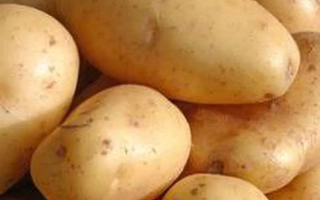
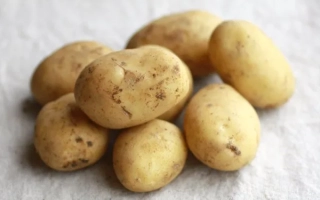
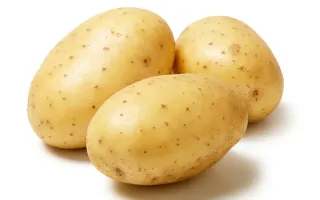
The key physiological feature of this variety is its elongated-oval tuber geometry. This configuration promotes uniform nutrient distribution and facilitates mechanical peeling. The skin structure is characterized by its smoothness, which minimizes flesh loss during processing. The depth of the eyes is classified as medium, representing an optimal compromise between storage stability and ease of pre-market preparation.
- Weight Characteristics: The weight of a commercial tuber ranges from 50 to 130 grams, perfectly meeting retail requirements for packaged produce.
- Flesh Consistency: The light yellow color indicates a balanced carotenoid content. The variety is not prone to darkening after boiling, confirming its high status as a premium table variety.
Biological Resilience as a Basis for Productivity
The primary engineering decision in the creation of this variety was the genetic protection against nematodes. In intensive agriculture, where crop rotation is often compromised, resistance to the golden potato cyst nematode is a critical factor in reducing pesticide load. This allows for savings on costly nematicides and ensures yields are maintained even in infested fields.
Video · 2 videos
Suggest a video →Crop & resistance
Crop
Pest resistance
Specifications
| Direction | |
|---|---|
| Tuber | |
| Shape | |
| Skin color | |
| Flesh color | |
| Skin structure | |
| Eye depth | |
| Mass | 50-130 grams |
| Registration year | 2010 |
| Catalog | Catalog → Potato |
| Manufacturer | Lviv National Agrarian University |
| Country | Ukraine |
No reviews yet. Be the first to share your experience.
Alternatives
Seed potatoes · similar varieties



See also
Often considered together with this variety




Recently viewed
Products you’ve viewed on this site
Reviews