


SKU #54656
·
49 views
PADA
Pepper
User rating
0 votes0% positive reviews
No ratings yet — be the first.
Registration year
2022
About product

A reliable pepper variety from Chechen breeders with excellent adaptability for open-field farming.
Registration year
2022
Description
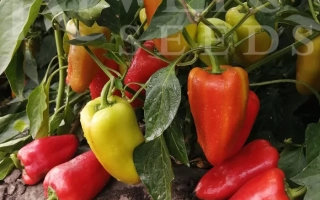
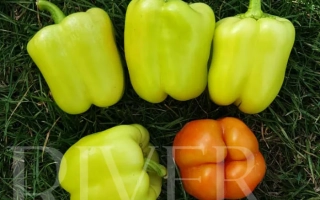
Chechen Breeding Excellence: The «Pada» Pepper
The «Pada» pepper variety is a result of targeted breeding by the Chechen Research Institute of Agriculture. This variety was developed to ensure stable yields under regional climatic conditions, effectively balancing resistance to abiotic stressors with high commercial fruit quality.
Agricultural Profile
Designed to meet the demands of commercial growers seeking reliable planting material with predictable outcomes, «Pada» demonstrates exceptional adaptability to open-field cultivation. Throughout the selection process, the focus was placed on maintaining genetic purity, allowing farmers to utilize seeds for subsequent cycles without sacrificing the variety's core traits.
Market Position and Application
Currently, «Pada» occupies a solid position in the segment of specialized local varieties. Growers choose it for several key reasons:
- Robust immunity against common regional solanaceous diseases.
- Uniform fruit size, which significantly streamlines post-harvest preparation and logistics.
- High organoleptic properties, valued by end-consumers for both fresh market usage and processing.
This pepper stands as a prime example of institutional breeding addressing specific market needs, offering a viable alternative to high-cost imported hybrids. «Pada» serves as a reliable workhorse for producers prioritizing economic efficiency and the proven resilience of the crop within local soil and climate conditions.
Specifications
| Registration year | 2022 |
|---|---|
| Catalog | Catalog → Pepper |
| Legal data |
Show · 1
|
| Country | Russia |
Store offers
Prices are updated on loadLoading offers…
Aggregator catalog: prices are collected automatically from store websites, normalized by AI and converted at the current exchange rate. Before ordering, confirm the price and availability on the store's website. This block is not indexed by search engines — the data is loaded after the page opens.
Not yet комментариев. Be the first!
Alternatives
Pepper seeds · similar varieties





See also
Often considered together with this variety




Recently viewed
Products you’ve viewed on this site
Reviews · 0