


SKU #66472
·
56 views
Pear ELBRUSSKAYA
Pear
Prices in stores
No offers yet — stores have not added prices for this product yet.
Similar varieties with prices
-
Vihnytsya
from 1.63 €per seedling
-
 Bere Bosk
from 3.55 €per seedling
-
 Wedding
from 2.66 €
-
 Osnovyanitsa
from 4.02 €per seedling
Ripening Period
Autumn
Disease Resistance
To scab
Fruit Size
Large (180–250 g)
Fruit Color
Yellow-Green, Brown
Your mark
0 votes
0% positive ratings
Description
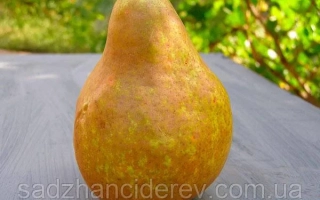
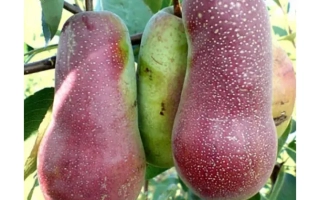
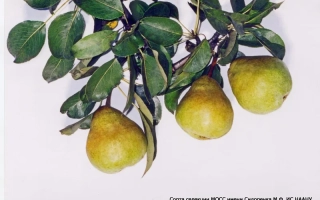
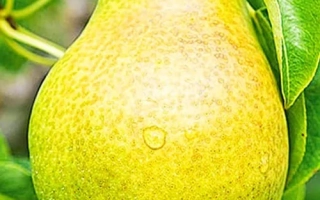
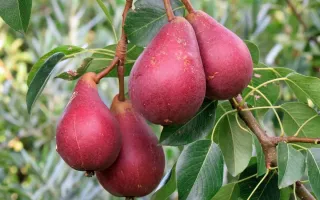
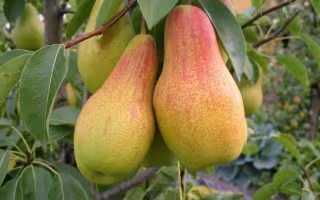
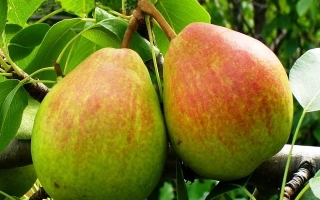
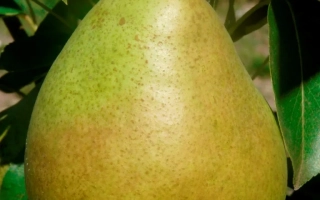
The Elbrusskaya pear is an autumn variety developed at the North Caucasus Scientific Research Institute of Mountain and foothill Pomology by crossing the Clapp's Favorite variety with a pollen mixture of the Alexanderovka, Ilyinka, and Limonka varieties. The tree is of medium size with a rounded, moderately dense crown. The fruits of this variety are above average in size, weighing from 180 to 225 grams, have a barrel shape, and a smooth surface. The skin is light yellow with a light brownish-crimson blush, while the flesh is white, medium density, semi-oily, finely grained, and juicy with a sour-sweet taste and a faint aroma.
The chemical composition of the fruits is characterized by a content of soluble dry matter of about 13.6%, sugars — 11.3%, titratable acids — 0.37%, and ascorbic acid — 4.7 mg per 100 grams. The variety is distinguished by high yield, relatively high winter hardiness, and drought resistance, as well as resistance to scab, which makes it reliable for cultivation in various climatic conditions.
Fruit bearing in the Elbrusskaya pear begins in the second or third year after planting seedlings. To maintain the health of the trees and increase yield, it is recommended to carry out light rejuvenation through pruning once every two to four years, as well as fertilizing with potassium fertilizers and a urea solution. The fruit ripening period falls in the autumn, which allows them to be used for fresh consumption and processing.
Crop & resistance
Crop
Disease resistance
Specifications
| Ripening Period | Autumn |
|---|---|
| Disease Resistance | |
| Fruit Size | Large (180–250 g) |
| Fruit Color | |
| Flavor | |
| Flesh Consistency | |
| Height and shape of the tree | |
| Purpose | |
| Features | |
| Registration year | 2009 |
| Catalog | Catalog → Pear |
| Legal data |
Show · 4
|
| Country | Russia |
No reviews yet. Be the first to share your experience.
Alternatives
Pear saplings · similar varieties



See also
Often considered together with this variety




Recently viewed
Products you’ve viewed on this site
Reviews