


SKU #64352
·
36 views
OPTIMUS
Pea
User rating
0 votes0% positive reviews
No ratings yet — be the first.
Growth Direction
On grain
Plant Type
Leafless (Bearded)
Growing Season
70-80 days
Plant; height
Average Height
About product

A high-protein, semi-leafless pea variety designed for lodging resistance and superior disease control.
Growth Direction
On grain
Plant Type
Leafless (Bearded)
Growing Season
70-80 days
Plant; height
Average Height
Description
Engineering the 'Optimus' Pea Variety
The 'Optimus' pea variety, developed by the Federal Research Center for Legumes and Grops, is engineered for efficient grain production. Its architecture is specifically optimized for high-yield farming practices where mechanical efficiency is paramount.
Plant Morphology and Stability
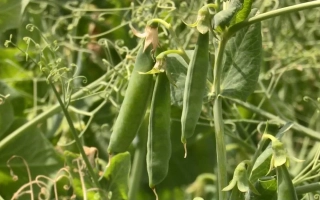
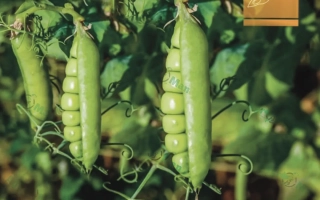
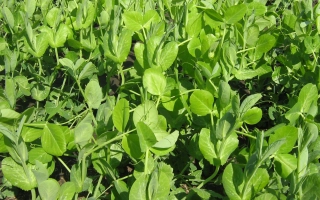
The variety features a semi-leafless (tendrilled) morphotype. This is a critical structural advantage: tendrils intertwine to create a self-supporting crop stand. This significantly reduces lodging, a common issue in dense pea sowings, and ensures that the plants remain vertical until harvest. Furthermore, the reduction of leaf surface area improves air circulation within the canopy, which is a mechanical barrier to the development of ascochyta blight and root rots.
Agronomic Performance
With a vegetation period of 70–80 days, Optimus escapes the heat-induced stress typical of late summer. This maturity window allows for effective harvest planning. The variety possesses robust natural resistance to primary fungal diseases, which translates into lower reliance on fungicide applications, reducing the overall environmental footprint and input costs.
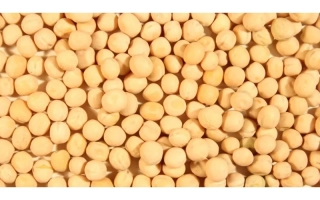
- Thousand-seed weight: 220–240 grams, providing vigorous emergence and uniform stand density.
- Protein content: 24–26%, meeting the high-quality requirements for both fodder and food processing markets.
The medium-height stature of the plant ensures optimal header performance during harvest. 'Optimus' is a technical solution designed for growers who prioritize consistency, disease resistance, and reliable grain quality in temperate climates.
Crop & resistance
Crop
Disease resistance
Specifications
| Growth Direction | |
|---|---|
| Plant Type | |
| Growing Season | 70-80 days |
| Plant; height | Average Height |
| Beans; Weight per 1000 seeds | 220-240 grams |
| Beans; Protein Content | 24-26% |
| Registration year | 2015 |
| Catalog | Catalog → Pea |
| Legal data |
Show · 1 |
| Country | Russia |
Store offers
Prices are updated on loadLoading offers…
Aggregator catalog: prices are collected automatically from store websites, normalized by AI and converted at the current exchange rate. Before ordering, confirm the price and availability on the store's website. This block is not indexed by search engines — the data is loaded after the page opens.
Not yet комментариев. Be the first!



See also
Often considered together with this variety




Recently viewed
Products you’ve viewed on this site
Reviews · 0