


Prices in stores
No offers yet — stores have not added prices for this product yet.
Similar varieties with prices
-
NS Mraz / NS MorozIFVCNS (Novi Sad)
from 0.3 €per 1 kg
-
 CashSelgen
from 0.52 €per 1 kg
CashSelgen
from 0.52 €per 1 kg
-
 AtollSelgen
from 0.45 €
AtollSelgen
from 0.45 €
-
 MadonnaNPZ Lembke
from 0.41 €per 1 kg
MadonnaNPZ Lembke
from 0.41 €per 1 kg
Production Direction
For grain
Registration year
1996
Your mark
0 votes
0% positive ratings
About product
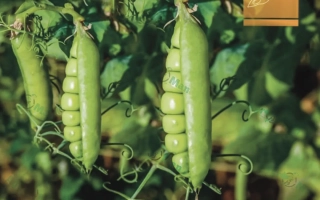
A reliable Dutch variety for stable production of high-quality commercial grain with strong immunity to fungal diseases.
Description
Reliable grain pea yields with Innoseed b.v.
The «Solara» pea variety from the Dutch breeding company Innoseed b.v. is a proven solution for farmers focused on achieving commercial grain with predictable quality parameters. The choice of this variety is primarily driven by its biological reliability, which is critical in intensive farming systems.
Field protection and resilience
The main challenge when growing legumes remains the risk of lodging and fungal diseases, which can reduce yields by 20–30%. «Solara» demonstrates strong genetic resistance to Fusarium root rot and Ascochyta blight. This allows agronomists to optimize their fungicide application schedules, reducing the overall pesticide load without the risk of losing crops during critical developmental stages.
Practical application in crop rotation
- High adaptability: The variety is optimized for mechanical harvesting, which is critical for large-scale operations. Uniform ripening minimizes losses during direct combining.
- Grain stability: Intended specifically for grain production. Dutch breeding ensures consistent grain size and excellent protein content, simplifying the sale of produce on both domestic and export markets.
- Field hardiness: Due to a well-developed root system, the variety effectively utilizes soil moisture during the pod-filling period, making it a preferred choice for regions with erratic rainfall.
Integrating «Solara» into a production program is a strategy for mitigating operational risks. By selecting this variety, the farmer invests not just in seeds, but in technological discipline, ensuring that every hectare provides a stable return when standard cultivation protocols are followed.
Crop & resistance
Crop
Disease resistance
Specifications
| Production Direction | |
|---|---|
| Registration year | 1996 |
| Catalog | Catalog → Pea |
| Manufacturer | Innoseed b.v. |
| Country | Netherlands |
No reviews yet. Be the first to share your experience.




See also
Often considered together with this variety



Recently viewed
Products you’ve viewed on this site
Reviews