


SKU #65015
·
54 views
TOBOLYAK
Oats
User rating
0 votes0% positive reviews
No ratings yet — be the first.
Ripeness Group (days)
Medium-maturing (95-110)
Yield
40-50, 60+
Disease Resistance
Powdery mildew, Rust, Mottling, Mixed
Protein (%)
11-12
About product

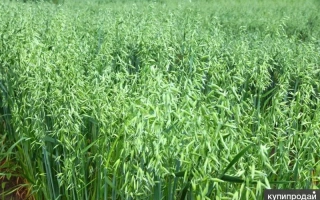
The TOBOLYAK spring oat variety is a medium-maturing and medium-statured feed oat intended for cultivation in various regions of Siberia and the Far East. The variety's vegetative period is 82-88 days, which allows it to successfully adapt to the climatic conditions of the specified territories. The plant is characterized by medium height, an erect bush, and a long two-sided ear with horizontal br…
Ripeness Group (days)
Medium-maturing (95-110)
Yield
40-50, 60+
Disease Resistance
Powdery mildew, Rust, Mottling, Mixed
Protein (%)
11-12
Description
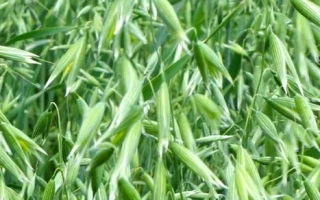
The TOBOLYAK spring oat variety is a medium-maturing and medium-statured feed oat intended for cultivation in various regions of Siberia and the Far East. The variety's vegetative period is 82-88 days, which allows it to successfully adapt to the climatic conditions of the specified territories. The plant is characterized by medium height, an erect bush, and a long two-sided ear with horizontal branch placement. The variety's spikelets are drooping, and the glume is short with a strong waxy coating, which contributes to resistance to adverse weather conditions. The variety is resistant to lodging and drought, making it a reliable choice for feed production. TOBOLYAK demonstrates high yield, average indicators of which vary depending on the region: 41.2 c/ha in the West Siberian, 29.8 c/ha in the East Siberian, and 35.5 c/ha in the Far Eastern regions. Maximum yield reached 82.5 c/ha in the Tomsk region. Grain natural density is 468-572 g/l, and protein content reaches 11.7%, ensuring high quality of feed raw materials. The variety shows moderate susceptibility to some diseases, such as powdery and hard smut, as well as crown rust, while under field conditions, weak infection by stem rust and average by powdery mildew is noted. Genetic analysis of the TOBOLYAK variety revealed unique gene combinations, confirmed by its absence in known clusters and high level of genetic diversity (0.82). This indicates the preservation of genetic resistance and successful breeding work. Under test conditions in the Tyumen region, the variety showed high adaptive potential and productivity, occupying leading positions in average yield (38.5 c/ha) and genotypic effect. Despite low stress resistance, the variety is distinguished by high responsiveness to changing conditions and a significant level of stability, making it promising for widespread application in agriculture.
Crop & resistance
Crop
Disease resistance
Specifications hover over for a hint about the specification
| Ripeness Group (days) | Medium-maturing (95-110) |
|---|---|
|
Yield
Yield
Overall bulb harvest per unit area. Depends on both onion variety characteristics and agronomic practices, fertilizers, and irrigation. Under optimal growing conditions, an onion yield of 100 tons per hectare and above is not considered record-breaking. |
40-50, 60+ |
| Disease Resistance | |
| Protein (%) | 11-12 |
| Plant Height | 90-100 |
| Grain-oriented | |
| Usage Type | |
| Registration year | 2020 |
| Catalog | Catalog → Oats |
| Legal data |
Show · 7
|
| Country | Russia |
Store offers
Prices are updated on loadLoading offers…
Aggregator catalog: prices are collected automatically from store websites, normalized by AI and converted at the current exchange rate. Before ordering, confirm the price and availability on the store's website. This block is not indexed by search engines — the data is loaded after the page opens.
Not yet комментариев. Be the first!


See also
Often considered together with this variety




Recently viewed
Products you’ve viewed on this site
Reviews · 0