


SKU #65021
·
57 views
BERBER
Oats
ФГБНУ Федеральный Аграрный Научный Центр Северо-востока имени Н.В. РудницкогоUser rating
0 votes0% positive reviews
No ratings yet — be the first.
Ripeness Group (days)
Medium-maturing (95-110)
Yield
30-40
Disease Resistance
Rust, Mottling
Mass of 1000 seeds (g)
36-40
About product

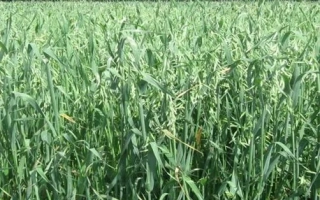
Oat variety BERBER is a spring, mid-season, and medium-height oat variety (Avena sativa L.), recommended for cultivation in northern regions of Russia, particularly in the North-West region and Kostroma region. The vegetative period ranges from 75 to 94 days, allowing efficient use in conditions of a short summer. The plant is characterized by two-sided panicles with drooping spikelets, while the…
Ripeness Group (days)
Medium-maturing (95-110)
Yield
30-40
Disease Resistance
Rust, Mottling
Mass of 1000 seeds (g)
36-40
Description
Oat variety BERBER is a spring, mid-season, and medium-height oat variety (Avena sativa L.), recommended for cultivation in northern regions of Russia, particularly in the North-West region and Kostroma region. The vegetative period ranges from 75 to 94 days, allowing efficient use in conditions of a short summer. The plant is characterized by two-sided panicles with drooping spikelets, while the mass of 1000 grains varies from 34 to 42 grams. Seed natural density is within the range of 450–560 g/L, indicating good seed quality. The variety is moderately susceptible to crown rust and powdery scab, ensuring crop stability and reducing risks of losses under unfavorable weather conditions.
One of the key advantages of BERBER oat is its high protein content — up to 13.4%, making it valuable for both feed and food industry purposes. The average yield of the variety in the North-West region reaches 31.5 centners per hectare, confirming its productivity and adaptability to local climatic conditions. Due to its characteristics, the variety is suitable for cultivation in regions with a moderate climate and a short vegetative period.
In addition, BERBER oat possesses important agronomic properties that make it an effective cover crop. Its powerful root system contributes to loosening hard soil and binding loose soils, improving soil structure and aeration. Dense stem growth prevents weed development, reducing the need for additional soil treatment. Oat is an excellent predecessor and is suitable for cultivation under tomatoes, eggplants, strawberries, and other crops requiring high potassium and other nutrient content in the soil.
One of the key advantages of BERBER oat is its high protein content — up to 13.4%, making it valuable for both feed and food industry purposes. The average yield of the variety in the North-West region reaches 31.5 centners per hectare, confirming its productivity and adaptability to local climatic conditions. Due to its characteristics, the variety is suitable for cultivation in regions with a moderate climate and a short vegetative period.
In addition, BERBER oat possesses important agronomic properties that make it an effective cover crop. Its powerful root system contributes to loosening hard soil and binding loose soils, improving soil structure and aeration. Dense stem growth prevents weed development, reducing the need for additional soil treatment. Oat is an excellent predecessor and is suitable for cultivation under tomatoes, eggplants, strawberries, and other crops requiring high potassium and other nutrient content in the soil.
Crop & resistance
Crop
Specifications hover over for a hint about the specification
| Ripeness Group (days) | Medium-maturing (95-110) |
|---|---|
|
Yield
Yield
Overall bulb harvest per unit area. Depends on both onion variety characteristics and agronomic practices, fertilizers, and irrigation. Under optimal growing conditions, an onion yield of 100 tons per hectare and above is not considered record-breaking. |
30-40 |
| Disease Resistance | |
| Mass of 1000 seeds (g) | 36-40 |
| Protein (%) | 13+ |
| Grain-oriented | |
| Usage Type | |
| Registration year | 2019 |
| Catalog | Catalog → Oats |
| Manufacturer | ФГБНУ Федеральный Аграрный Научный Центр Северо-востока имени Н.В. Рудницкого |
| Country | Russia |
Store offers
Prices are updated on loadLoading offers…
Aggregator catalog: prices are collected automatically from store websites, normalized by AI and converted at the current exchange rate. Before ordering, confirm the price and availability on the store's website. This block is not indexed by search engines — the data is loaded after the page opens.
Not yet комментариев. Be the first!


ARGAMAK
ФГБНУ Федеральный Аграрный Научный Центр Северо-востока имени Н.В. Рудницкого
043 1 offer
0.07 €per 1 kg ≈ 4 ₴


See also
Often considered together with this variety




Recently viewed
Products you’ve viewed on this site
Reviews · 0