


Prices in stores
No offers yet — stores have not added prices for this product yet.
Similar varieties with prices
-
 BRISTOLRAGT
from 1.49 €за л
BRISTOLRAGT
from 1.49 €за л
-
 Compass
from 0.32 €per 1 kg
Compass
from 0.32 €per 1 kg
-
 EarlRVA Ukraine
from 52.79 €per 1 kg
EarlRVA Ukraine
from 52.79 €per 1 kg
-
 BAGET
from 1.16 €
BAGET
from 1.16 €
Ripeness Group (days)
Medium-maturing (95-110)
Yield
60+
Disease Resistance
Powdery mildew, Rust, Spotting
Mass of 1000 seeds (g)
36-40
Your mark
0 votes
0% positive ratings
Description
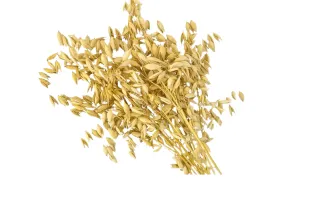
The spring barley "BORETS" variety represents a medium-maturing type of muco (white-seeded, awnless), created through complex stepped hybridization involving foreign varieties such as Panther (Netherlands), Panthem 61 (USA), and Surbo (Sweden). The plant is characterized by a semi-upright bush type, medium or high height, strong straw, and a two-sided, semi-upright panicle with drooping spikelets. The spikelet glume is of medium length with a waxy coating, as well as weak awniness, which contributes to good threshability and grain quality. The mass of 1000 grains is 37-43 grams, the grain is large, with natural density of 486-558 g/L and filminess of 25.4-26.0%.
The "BORETS" variety has a medium level of stability to lodging and drought, as well as resistance to grain shedding. However, it is susceptible to some diseases, such as bunt, crown rust, red-brown spot, powdery mildew, and bacterial burn. The vegetative period is 79-93 days, which corresponds to a medium-maturing ripening period. Due to its biological features, the variety is suitable for growing both for grain and green mass, especially in mixtures with legume crops.
"BORETS" is distinguished by a high yield potential, which according to the originator's data can reach 72 c/ha, which exceeds the indicators of standard varieties in the growing regions. The variety is recommended for cultivation in various regions of Russia, including the North-Western, Central, Central-Black Earth, North-Caucasian, and Lower-Volga regions. To increase the seed multiplication coefficient, it is recommended to reduce the sowing rate by 10-20%. Due to its technological qualities and high productivity, the "BORETS" variety is a valuable choice for intensive agricultural technologies.
The "BORETS" variety has a medium level of stability to lodging and drought, as well as resistance to grain shedding. However, it is susceptible to some diseases, such as bunt, crown rust, red-brown spot, powdery mildew, and bacterial burn. The vegetative period is 79-93 days, which corresponds to a medium-maturing ripening period. Due to its biological features, the variety is suitable for growing both for grain and green mass, especially in mixtures with legume crops.
"BORETS" is distinguished by a high yield potential, which according to the originator's data can reach 72 c/ha, which exceeds the indicators of standard varieties in the growing regions. The variety is recommended for cultivation in various regions of Russia, including the North-Western, Central, Central-Black Earth, North-Caucasian, and Lower-Volga regions. To increase the seed multiplication coefficient, it is recommended to reduce the sowing rate by 10-20%. Due to its technological qualities and high productivity, the "BORETS" variety is a valuable choice for intensive agricultural technologies.
Crop & resistance
Crop
Disease resistance
Specifications
| Ripeness Group (days) | Medium-maturing (95-110) |
|---|---|
| Yield | 60+ |
| Disease Resistance | |
| Mass of 1000 seeds (g) | 36-40 |
| Grain-oriented | |
| Resistance to Shattering | |
| Registration year | 2002 |
| Catalog | Catalog → Oats |
| Manufacturer | FGBNU Federal Research Center "Nemchinovka" |
| Legal data |
Show · 1
|
| Country | Russia |
No reviews yet. Be the first to share your experience.


See also
Often considered together with this variety




Recently viewed
Products you’ve viewed on this site
Reviews