


SKU #74162
·
59 views
GREENMILE
Brome Grass
DLFUser rating
0 votes0% positive reviews
No ratings yet — be the first.
Assignment
Feed, Pasture
Type
Perennial
Hay Yield (t/ha)
6-8
Plant Height
80-100
Store offers · 2 from 2 stores
Prices are updated on loadLoading offers…
Available at: GreenSteam · Все Росте
Aggregator catalog: prices are collected automatically from store websites, normalized by AI and converted at the current exchange rate. Before ordering, confirm the price and availability on the store's website. This block is not indexed by search engines — the data is loaded after the page opens.
About product

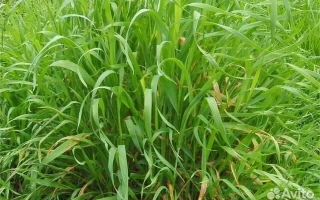
High-yielding perennial brome grass from Danish producer DLF for sustainable pasture and hay production.
Assignment
Feed, Pasture
Type
Perennial
Hay Yield (t/ha)
6-8
Plant Height
80-100
Description
Why DLF 'Greenmil' is the Choice for High-Performance Forage
The 'Greenmil' brome grass variety, developed by Danish breeder DLF, is a multi-year solution for farmers focusing on long-term forage sustainability. Unlike many generic market options, this variety offers exceptional versatility, making it a reliable choice for establishing both intensive hay meadows and high-traffic pastures.
Agronomic Performance and Yield
The primary strength of 'Greenmil' lies in its biological resilience. Under optimal conditions, dry matter yields range from 6 to 8 tons per hectare, which is a strong benchmark for this crop. The plants reach a height of 80–100 cm, forming a dense, uniform sward that resists lodging and recovers rapidly after grazing or mowing cycles.
Key Advantages of 'Greenmil'
- Regrowth Efficiency: 'Greenmil' demonstrates consistent, rapid regrowth, facilitating multiple cuts per season.
- Hardiness: As a product of Scandinavian breeding, this variety excels in winter hardiness and drought tolerance, providing peace of mind during fluctuating climate conditions.
- Forage Quality: The resulting hay and grazing biomass provide high protein levels and excellent digestibility, which are crucial for maintaining livestock productivity.
Target Audience
'Greenmil' is ideal for producers aiming to minimize operational costs related to field reseeding. Due to its perennial nature and ability to maintain dense stand cover over 5–7 years, it significantly reduces the cost per ton of produced forage. It is perfectly suited for those managing permanent hayfields or pastures that require superior resistance to trampling and intensive mechanical impact.
Crop & resistance
Crop
Specifications hover over for a hint about the specification
| Assignment | |
|---|---|
|
Type
Type
Galia (Galia) type — relatively new, of Israeli origin, although there are indications that this variety may originate from Spain. The fruits of this type are round or oval, weighing about 1 kg. The surface is smooth, covered with a delicate, connected netting, turning yellow whe... |
|
| Hay Yield (t/ha) | 6-8 |
| Plant Height | 80-100 |
| Registration year | 2019 |
| Catalog | Catalog → Brome Grass |
| Manufacturer | DLF |
| Country | Denmark |
Not yet комментариев. Be the first!
Alternatives
Brome Grass · similar varieties


See also
Often considered together with this variety


Recently viewed
Products you’ve viewed on this site
Reviews · 0