


SKU #74174
·
49 views
Relevant
Brome Grass
DEUTSCHE SAATVEREDELUNG AGUser rating
0 votes0% positive reviews
No ratings yet — be the first.
Assignment
Feed, Pasture, Lawn
Type
Perennial
Plant Height
60-80, 80-100
Registration year
2017
Prices in stores
from3.57 €per 1 kg
pack from 1.2 € per 30 ml
4 offers from 4 stores
Store offers · 4 from 4 stores
Prices are updated on loadLoading offers…
Available at: Агроексперт-Трейд · Agromen · АгроПлант · Agroretail
Aggregator catalog: prices are collected automatically from store websites, normalized by AI and converted at the current exchange rate. Before ordering, confirm the price and availability on the store's website. This block is not indexed by search engines — the data is loaded after the page opens.
About product

A reliable perennial brome grass for intensive use in livestock farming and landscape management.
Assignment
Feed, Pasture, Lawn
Type
Perennial
Plant Height
60-80, 80-100
Registration year
2017
Description
Stable Grassland for Years to Come
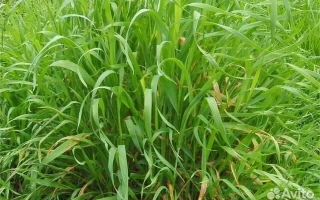
When working with perennial grasses, the main criterion is predictability. The 'Relevant' smooth brome variety from the German breeder Deutsche Saatveredelung has gained popularity among agronomists for its ability to 'start' quickly and maintain a consistent stand structure even in challenging soil conditions. This is not the type of crop that requires reseeding every two years; with proper management, it demonstrates excellent longevity.
Operational Aspects and Application
The plant height ranges from 60 to 100 cm, making this variety a versatile tool for any farm. We utilize it in three key areas:
- Forage Production: Excellent nutritional value and high regrowth rate after the first cut. Harvesting equipment works cleanly because the plants form a dense, even carpet.
- Pasture Grazing: High resistance to trampling. 'Relevant' brome handles intensive livestock grazing well and recovers rapidly after being grazed down.
- Turf and Landscaping: Due to its high density, the variety forms a thick sod that successfully suppresses weeds, saving costs on herbicide applications.
German breeding proves its worth in this variety's resilience. The plants handle both dry spells and temporary waterlogging with ease. Managing 'Relevant' crops is straightforward: standard fertilizer application rates and proper mowing schedules allow for a consistent yield of green biomass season after season. For those who value predictable results and minimal maintenance costs for a productive pasture, this variety remains a gold standard choice.
Crop & resistance
Crop
Specifications hover over for a hint about the specification
| Assignment | |
|---|---|
|
Type
Type
Galia (Galia) type — relatively new, of Israeli origin, although there are indications that this variety may originate from Spain. The fruits of this type are round or oval, weighing about 1 kg. The surface is smooth, covered with a delicate, connected netting, turning yellow whe... |
|
| Plant Height | 60-80, 80-100 |
| Registration year | 2017 |
| Catalog | Catalog → Brome Grass |
| Manufacturer | DEUTSCHE SAATVEREDELUNG AG |
| Legal data |
Show · 1
|
| Country | Germany |
Not yet комментариев. Be the first!
Alternatives
Brome Grass · similar varieties




See also
Often considered together with this variety



Recently viewed
Products you’ve viewed on this site
Reviews · 0