


SKU #62321
·
36 views
KRIMCHANIN
Grape
User rating
0 votes0% positive reviews
No ratings yet — be the first.
Usage Group
Technical
Ripening Period
Medium
Cold Resistance
High (up to -24°C)
Resistance to Mildew
High
Store offers · 2 from 2 stores
Prices are updated on loadLoading offers…
Available at: Экосад · Rosliniy
Aggregator catalog: prices are collected automatically from store websites, normalized by AI and converted at the current exchange rate. Before ordering, confirm the price and availability on the store's website. This block is not indexed by search engines — the data is loaded after the page opens.
About product

The Krymchanin grape variety is a mid-season technical variety recommended for cultivation in the North Caucasus region. The vegetation period lasts about 128-138 days with a sum of active temperatures of about 2900°С. Bushes are vigorous or medium-sized, with large five-lobed leaves of medium lobing and a corrugated surface. Bunches are cylinder-conical in shape of medium density, weighing about…
Usage Group
Technical
Ripening Period
Medium
Cold Resistance
High (up to -24°C)
Resistance to Mildew
High
Description
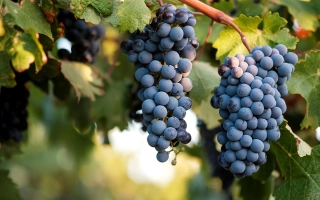
The Krymchanin grape variety is a mid-season technical variety recommended for cultivation in the North Caucasus region. The vegetation period lasts about 128-138 days with a sum of active temperatures of about 2900°С. Bushes are vigorous or medium-sized, with large five-lobed leaves of medium lobing and a corrugated surface. Bunches are cylinder-conical in shape of medium density, weighing about 150-200 g; berries are small or medium-sized, round or oval, dark blue-black in color with a firm skin and juicy flesh. Berries contain 2-3 seeds, and must sugar content reaches 18-27%, with acidity of 8-11 g/dm³, providing a simple but pleasant taste. The variety is characterized by increased resistance to diseases such as downy mildew and powdery mildew, which allows reducing the number of sprays to one or two per season instead of the usual five to eight for less resistant varieties. Frost resistance reaches -24°C, ensuring its winter hardiness at a medium level. Krymchanin is capable of fruiting from replacement buds and does not require pollinators. Bush training is recommended as multi-armed, fan-shaped on a vertical trellis with pruning to 5-8 buds; load per bush is 40-50 buds and 25-30 shoots after shoot thinning. Planting area is 3.0x1.5 m with trunk training, suitable for non-sheltered zones. Krymchanin prefers fertile soils and southern slopes with good exposure, where it can be cultivated even on trunks. Yield is average, reaching 125-138 c/ha. Berries are used primarily for the production of red table and fortified wines, with a tasting score of about 7.8 points. The rootstock for the variety is often Cobber 5BB. Thanks to its characteristics and resistance, the Krymchanin variety is a reliable choice for viticulturists seeking high-quality technical grapes with good yield and resistance to unfavorable conditions.
Crop & resistance
Crop
Disease resistance
Specifications hover over for a hint about the specification
| Usage Group | |
|---|---|
|
Ripening Period
Ripening Period
It takes 70-100 days until pepper reaches flowering stage, 130-160 days until technical fruit ripeness, and 135-180 days until physiological ripeness. |
Medium |
| Cold Resistance | |
| Resistance to Mildew | |
| Resistance to oidium | |
|
Yield
Yield
Overall bulb harvest per unit area. Depends on both onion variety characteristics and agronomic practices, fertilizers, and irrigation. Under optimal growing conditions, an onion yield of 100 tons per hectare and above is not considered record-breaking. |
Average |
| Bush Growth Power | |
| Bunch Size | Small (up to 300 g) |
| Berry Size | Medium (2–5 g) |
| Berry Color | |
| Sugar Content | Average (16–20%) |
| Zoning | |
| Care Requirement | |
| Assignment | |
| Features | |
| Registration year | 2009 |
| Catalog | Catalog → Grape |
| Legal data | |
| Country | Russia |
Not yet комментариев. Be the first!
Alternatives
Grapevine saplings · similar varieties




See also
Often considered together with this variety


Recently viewed
Products you’ve viewed on this site
Reviews · 0