
EXPECTED
Фгбоу Во Кубанский Государственный Аграрный Университет Имени И.Т.Трубилина
049 10 offers
2.58 €per seedling ≈ 133 ₴


Grape
FRSCAvailable at: Agro-market · Kustik · Semena · Sezon · Василь Іванович · Vinograd Odessa · Yaskrava Klumba
Aggregator catalog: prices are collected automatically from store websites, normalized by AI and converted at the current exchange rate. Before ordering, confirm the price and availability on the store's website. This block is not indexed by search engines — the data is loaded after the page opens.

| Usage Group | |
|---|---|
|
Ripening Period
Ripening Period
It takes 70-100 days until pepper reaches flowering stage, 130-160 days until technical fruit ripeness, and 135-180 days until physiological ripeness. |
Early |
| Cold Resistance | |
| Bush Growth Power | |
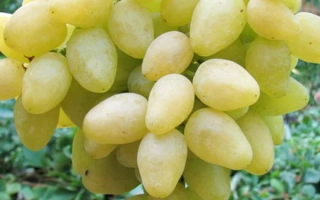
| Bunch Size | Large (500–800 g) |
| Berry Size | Large (5–8 g) |
| Berry Color | |
| Flavor | |
| Care Requirement | |
| Assignment | |
| Features | |
| Registration year | 2002 |
| Catalog | Catalog → Grape |
| Manufacturer | FRSC |
| Legal data |
Show · 10
|
| Country | Russia |
Not yet комментариев. Be the first!
Grapevine saplings · similar varieties


Often considered together with this variety


Products you’ve viewed on this site
Reviews · 0