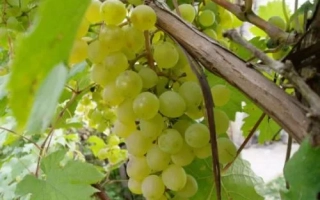
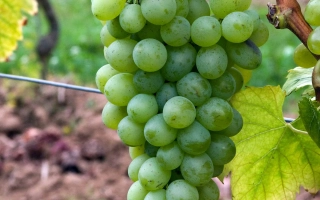
Furmint is a technical grape variety of Hungarian origin, widely grown in Hungary, also found in Romania, Italy, and former Yugoslavia. It belongs to the eco-geographical group of Black Sea basin grape varieties. The variety is characterized by late ripening and is represented by two clones: green and yellow berries, with the yellow clone considered superior. Wines made from Furmint are distinguished by high natural acidity, which gives them exceptional freshness and expressiveness.
Furmint prefers fertile soils, particularly thriving on southern and south-western slopes with shale-clay and clay-gravel soils. Despite its soil adaptability, the variety has low frost resistance — buds may freeze in Crimea even at -15°C. Additionally, Furmint is susceptible to diseases such as oidium, mildew, gray rot, bacterial cancer, and damage from grapevine leafroller and phylloxera.
This grape variety is especially prized in Zakarpattia wine region, where unique terroir produces high-quality wines, including late harvest (Late Harvest), dry and orange wines. Furmint is considered the symbol of Tokaj region and was one of the "stars" of the Austro-Hungarian Empire, and today it represents an important part of Ukrainian winemaking, gaining international recognition. International Furmint Day is celebrated on February 1, underscoring its significance and uniqueness.