


SKU #62151
·
60 views
CARIGNAN
Grape
AO 'SOLNEChNAYa DOLINA'User rating
0 votes0% positive reviews
No ratings yet — be the first.
Usage Group
Technical
Ripening Period
Mid-late
Resistance to Mildew
Low
Yield
Low
About product

A technical grape variety ideal for crafting intense, high-sugar red wines.
Usage Group
Technical
Ripening Period
Mid-late
Resistance to Mildew
Low
Yield
Low
Description
"Carignan" by Solnechnaya Dolina: A Pro's Choice for Bold, Structured Wines
"Carignan" is a classic wine grape variety that demands not only patience but also a deep understanding of viticulture from the grower. Solnechnaya Dolina provides high-quality planting material for this variety, specifically targeting producers who aim to craft red wines with a robust character and significant aging potential in southern regions.
Agrotechnical Nuances and Challenges
Working with Carignan requires a professional approach to vineyard management. Key factors to consider before planting include:
- Disease Resistance: Carignan has low resistance to downy mildew (mildew). This means that vineyards require a strict schedule of fungicide applications and rigorous phytosanitary monitoring throughout the season.
- Yield Management: This is not a high-yield variety. However, its moderate productivity is exactly what allows for high sugar concentration (exceeding 20%), which is vital for developing the body and complexity of the resulting wine.
- Ripening Period: Classified as a medium-late ripening variety, it performs best in regions with long, hot summers to ensure full phenolic maturity.
Why Invest in Carignan?
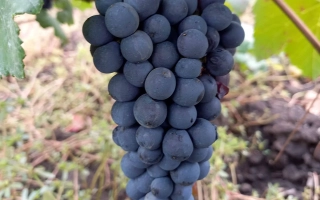
The primary asset of this variety is its organoleptic profile. With proper canopy management, the red-skinned grapes develop intense fruity notes that translate into a distinct wine character. By choosing Carignan from Solnechnaya Dolina, a winemaker is prioritizing the quality of the raw material over sheer volume.
This variety is an optimal choice for estates in southern zones, where the climate helps mitigate its susceptibility to diseases. Carignan is unforgiving of neglect, but in skilled hands, it serves as the foundation for terroir-driven wines with excellent structure, deep color, and professional-grade quality.
Crop & resistance
Crop
Specifications hover over for a hint about the specification
| Usage Group | |
|---|---|
|
Ripening Period
Ripening Period
It takes 70-100 days until pepper reaches flowering stage, 130-160 days until technical fruit ripeness, and 135-180 days until physiological ripeness. |
Mid-late |
| Resistance to Mildew | |
|
Yield
Yield
Overall bulb harvest per unit area. Depends on both onion variety characteristics and agronomic practices, fertilizers, and irrigation. Under optimal growing conditions, an onion yield of 100 tons per hectare and above is not considered record-breaking. |
Low |
| Berry Color | |
| Flavor | |
| Sugar Content | High (>20%) |
| Zoning | |
| Assignment | |
| Registration year | 2021 |
| Catalog | Catalog → Grape |
| Manufacturer | AO 'SOLNEChNAYa DOLINA' |
| Country | Russia |
Store offers
Prices are updated on loadLoading offers…
Aggregator catalog: prices are collected automatically from store websites, normalized by AI and converted at the current exchange rate. Before ordering, confirm the price and availability on the store's website. This block is not indexed by search engines — the data is loaded after the page opens.
Not yet комментариев. Be the first!
Alternatives
Grapevine saplings · similar varieties






See also
Often considered together with this variety




Recently viewed
Products you’ve viewed on this site
Reviews · 0