

Prices in stores
No offers yet — stores have not added prices for this product yet.
Similar varieties with prices
-
Furmint
from 2.67 €
-
 CABERNET CORTIS TAMANKubGAU / AF 'Southern'
from 2.3 €per seedling
CABERNET CORTIS TAMANKubGAU / AF 'Southern'
from 2.3 €per seedling
-
 MOURVÈDRE
from 11.83 €
MOURVÈDRE
from 11.83 €
-
 FLOWERINGFRSC
from 3.08 €per seedling
FLOWERINGFRSC
from 3.08 €per seedling
Usage Group
Wine
Ripening Period
Late
Frost Resistance
Low (up to -18°C)
Yield
Average
Your mark
0 votes
0% positive ratings
Description
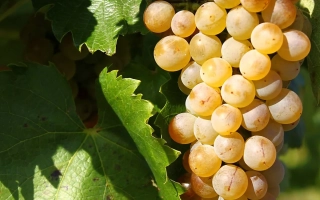
Rieslaner is a technical grape variety with late ripening, obtained in Germany by crossing the Silvaner and Riesling varieties. Bushes are vigorous to medium-sized, with hermaphroditic flowers, and require winter cover due to low frost resistance. Leaves are medium-sized, rounded, three-lobed with slight bristly pubescence on the underside. Bunches are cylindrical-conical in shape, dense, of medium weight around 161 grams, berries are greenish-yellow, rounded, of medium size with two seeds inside. The pulp is juicy, the juice is colorless, with no pronounced aftertaste.
The Rieslaner variety is widely used for the production of still and sparkling wines thanks to its high acidity and medium sugar content. Wines made from this variety are characterized by a high-quality aroma with notes of citrus, passion fruit, peach, and mango, as well as a slightly earthy undertone. High acidity, exceeding the indicators of the Riesling variety, gives the wine freshness and brightness, which makes Rieslaner particularly valuable for creating sparkling wines with a rich fruity and acidic taste.
The yield of the variety is about 74 centners per hectare, while the berries contain approximately 22 g of sugar and 6.1 g of acidity per 100 cm³ of juice. Rieslaner has a medium degree of resistance to diseases and pests, which requires certain attention during cultivation. Thanks to its characteristics and taste qualities, this variety is a popular choice for winemakers seeking to produce aromatic and balanced wines with a good aging potential and sparkling beverages.
The Rieslaner variety is widely used for the production of still and sparkling wines thanks to its high acidity and medium sugar content. Wines made from this variety are characterized by a high-quality aroma with notes of citrus, passion fruit, peach, and mango, as well as a slightly earthy undertone. High acidity, exceeding the indicators of the Riesling variety, gives the wine freshness and brightness, which makes Rieslaner particularly valuable for creating sparkling wines with a rich fruity and acidic taste.
The yield of the variety is about 74 centners per hectare, while the berries contain approximately 22 g of sugar and 6.1 g of acidity per 100 cm³ of juice. Rieslaner has a medium degree of resistance to diseases and pests, which requires certain attention during cultivation. Thanks to its characteristics and taste qualities, this variety is a popular choice for winemakers seeking to produce aromatic and balanced wines with a good aging potential and sparkling beverages.
Crop & resistance
Crop
Specifications
| Usage Group | |
|---|---|
| Ripening Period | Late |
| Frost Resistance | |
| Yield | Average |
| Bush Growth Power | |
| Flower Type | |
| Bunch Size | Medium (300–500 g) |
| Berry Size | Medium (2–5 g) |
| Sugar Content | Average (16–20%) |
| Zoning | |
| Care Requirement | |
| Purpose | |
| Registration year | 2019 |
| Catalog | Catalog → Grape |
| Manufacturer | OOO 'INVEST PLYuS' |
| Country | Ukraine |
No reviews yet. Be the first to share your experience.
Alternatives
Grapevine saplings · similar varieties



See also
Often considered together with this variety




Recently viewed
Products you’ve viewed on this site
Reviews