


SKU #66785
·
55 views
Pinocchio
Bean
LA SOCIETA' DELLE SCIENZE UMANE S.R.L.User rating
0 votes0% positive reviews
No ratings yet — be the first.
Maturation Period
50-65 days
Beans; Type
Snap beans (Sweet beans, Vegetable beans)
Beans; Color in Technical Ripeness
Dark green
Beans; Stud Diameter
6-8 mm
Prices in stores
from3.11 €per 1000 seeds
pack from 3.11 € per 1 000 pcs
1 offer from 1 store
Store offers · 1 from 1 stores
Prices are updated on loadLoading offers…
Available at: Semena-online
Aggregator catalog: prices are collected automatically from store websites, normalized by AI and converted at the current exchange rate. Before ordering, confirm the price and availability on the store's website. This block is not indexed by search engines — the data is loaded after the page opens.
About product

Vegetable beans of the Pinocchio variety represent a medium-maturity bush plant with a stem length of 40-50 cm and medium-sized, wrinkled green leaves. The flowers are white, and the beans at technical maturity have a dark green color, a length of 13-17 cm, and a diameter of 7-8 mm. They are round in cross-section and do not contain a parchment layer or fibers. A characteristic feature of the vari…
Maturation Period
50-65 days
Beans; Type
Snap beans (Sweet beans, Vegetable beans)
Beans; Color in Technical Ripeness
Dark green
Beans; Stud Diameter
6-8 mm
Description
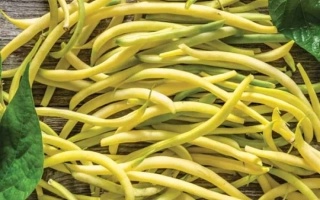
Vegetable beans of the Pinocchio variety represent a medium-maturity bush plant with a stem length of 40-50 cm and medium-sized, wrinkled green leaves. The flowers are white, and the beans at technical maturity have a dark green color, a length of 13-17 cm, and a diameter of 7-8 mm. They are round in cross-section and do not contain a parchment layer or fibers. A characteristic feature of the variety is the long curved beak and the height of attachment of the lower pods, which is 10-15 cm. The mass of 100 pods reaches 920 g, while the mass of 1000 seeds is 115 g. The taste qualities of the product are excellent, making Pinocchio beans in demand in cuisine.
The variety is characterized by high resistance to unfavorable conditions, such as drought, over-wetting, and low temperatures during the period of technical maturity. In addition, Pinocchio beans are resistant to a number of diseases, including common bean mosaic virus, anthracnose, brown spot, and bacterial blight, which contributes to stable yield and reduced losses during cultivation. Commercial yield of beans is 3.8 kg per square meter.
For successful cultivation of Pinocchio beans, it is recommended to choose fertile and light soils, soak seeds to improve germination, and use fertilizers such as manure or compost. The planting depth is 5-8 cm, and the distance between pits is 25-30 cm. Care for the plants includes regular soil loosening, weeding, watering, and fertilizing, as well as protection against pests. Due to their characteristics and taste qualities, Pinocchio beans are widely used in various culinary dishes, including raw, boiled, fried, stewed, and canned options.
The variety is characterized by high resistance to unfavorable conditions, such as drought, over-wetting, and low temperatures during the period of technical maturity. In addition, Pinocchio beans are resistant to a number of diseases, including common bean mosaic virus, anthracnose, brown spot, and bacterial blight, which contributes to stable yield and reduced losses during cultivation. Commercial yield of beans is 3.8 kg per square meter.
For successful cultivation of Pinocchio beans, it is recommended to choose fertile and light soils, soak seeds to improve germination, and use fertilizers such as manure or compost. The planting depth is 5-8 cm, and the distance between pits is 25-30 cm. Care for the plants includes regular soil loosening, weeding, watering, and fertilizing, as well as protection against pests. Due to their characteristics and taste qualities, Pinocchio beans are widely used in various culinary dishes, including raw, boiled, fried, stewed, and canned options.
Crop & resistance
Crop
Specifications hover over for a hint about the specification
|
Maturation Period
Maturation Period
Vegetation period from emergence to technical maturity 30-50 days. |
50-65 days |
|---|---|
|
Beans; Type
Beans; Type
Depending on the structure of the beans, pea varieties are divided into shelling (with a coarse, thick parchment layer), semi-sweet (with a weak), sweet or asparagus (parchment layer absent). Shelling, or grain-type, — these are grown exclusively for obtaining seeds, as the pods... |
|
| Beans; Color in Technical Ripeness | |
| Beans; Stud Diameter | 6-8 mm |
| Habit; Plant Height | 40-50 cm |
| Plant; Stem Type | |
| Seeds; Weight of 1000 seeds | 180-200 grams |
| Registration year | 2019 |
| Catalog | Catalog → Bean |
| Manufacturer | LA SOCIETA' DELLE SCIENZE UMANE S.R.L. |
| Legal data |
Show · 3
|
| Country | Italy |
Not yet комментариев. Be the first!
Alternatives
Bean seeds · similar varieties


See also
Often considered together with this variety


Recently viewed
Products you’ve viewed on this site
Reviews · 0