
Reference · Diseases
Cankers and galls (fungal)
Potato wart, also known as black scab, is a destructive plant disease caused by the obligate fungal pathogen Synchytrium endobioticum. As a serious quarantine pest in many parts of the world, this organism can render fields unsuitable for potato production for many years, causing significant economic losses to the agricultural sector.
74
items
What the section contains
Phytophthora honggalleglyana blight
Phytophthora honggalleglyana
 Pistachio branch dieback and necrosis
Suspected
Pistachio branch dieback and necrosis
Suspected
 Pistachio cytospora canker
Cytospora terebinthi
Pistachio cytospora canker
Cytospora terebinthi
 Poplar stem canker
Plagiostoma populinum
Poplar stem canker
Plagiostoma populinum
 Raspberry Gnomonia
Gnomonia rubi
Red gall disease of cranberry
Synchytrium vaccinii
Raspberry Gnomonia
Gnomonia rubi
Red gall disease of cranberry
Synchytrium vaccinii
 Rice gall dwarf
Rice gall stunt virus
Rice gall dwarf
Rice gall stunt virus
 Seiridium canker
Seiridium unicorne
Strawberry wart
Synchytrium fragariae
Sydowiella cane blight
Sydowiella depressula
Seiridium canker
Seiridium unicorne
Strawberry wart
Synchytrium fragariae
Sydowiella cane blight
Sydowiella depressula
 Thyrostroma canker of elm
Stigmina compacta
Thyrostroma canker of elm
Stigmina compacta
 Tubercularia canker
Tubercularia ulmea
Tubercularia canker
Tubercularia ulmea
 Valsa canker
Valsa ceratosperma
Valsa canker
Valsa ceratosperma
 Wound tumor
Wound tumor
Wound tumor
Pistachio branch dieback and necrosis
Suspected
Pistachio cytospora canker
Cytospora terebinthi
Poplar stem canker
Plagiostoma populinum
Raspberry Gnomonia
Gnomonia rubi
Red gall disease of cranberry
Synchytrium vaccinii
Rice gall dwarf
Rice gall stunt virus
Seiridium canker
Seiridium unicorne
Strawberry wart
Synchytrium fragariae
Sydowiella cane blight
Sydowiella depressula
Thyrostroma canker of elm
Stigmina compacta
Tubercularia canker
Tubercularia ulmea
Valsa canker
Valsa ceratosperma
Wound tumor
Wound tumor
Marketplace
Products in this section · 12

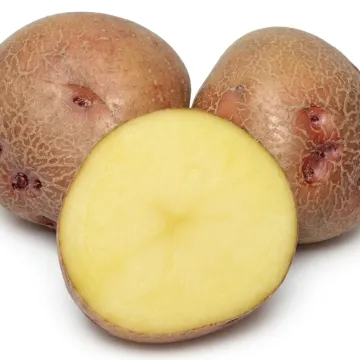
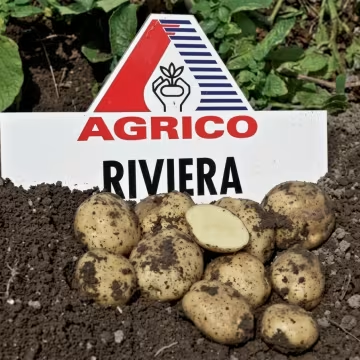
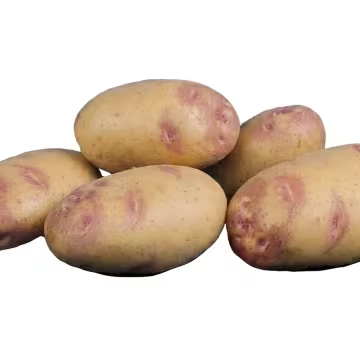
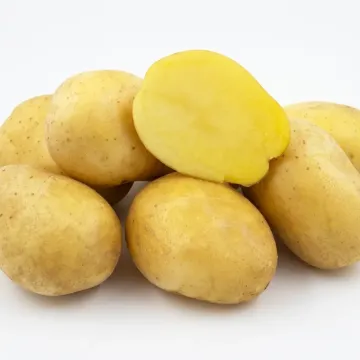
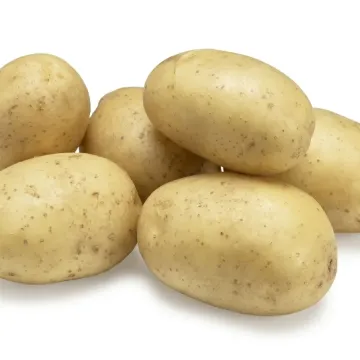
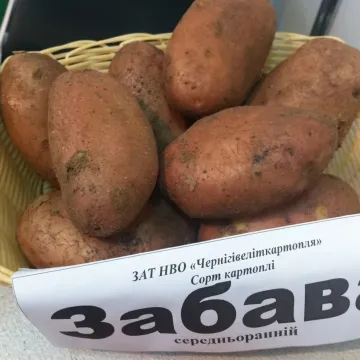

Cankers and galls (fungal)
The disease primarily targets potatoes, although other Solanaceae species can sometimes act as hosts. The pathogen persists in the soil through thick-walled resting spores, known as winter sporangia, which are remarkably hardy and can survive in the environment for several decades without a host, making long-term soil management challenging.
The most visible symptoms are the formation of warty, cauliflower-like galls on the tubers, stolons, and stem bases. These growths are initially whitish or green but eventually turn dark brown or black as they decay. In severe cases, the entire tuber may be replaced by these malformed, tumor-like masses, leaving little healthy tissue for harvest.
Spread and development of the disease are highly dependent on moisture and moderate soil temperatures. When conditions are favorable, the resting spores release motile zoospores that move through soil water to infect the developing meristematic tissues of the plant. This stimulation of cells leads to the characteristic hypertrophic growth that defines the disease.
Management of potato wart relies heavily on strict phytosanitary regulations and the use of resistant potato cultivars, which remain the most effective defense strategy. Preventive measures include:
- Implementing long-term crop rotation schemes.
- Ensuring the use of certified, disease-free seed potatoes.
- Cleaning farm machinery and equipment to prevent the movement of contaminated soil.
- Strict adherence to local quarantine restrictions when outbreaks are detected.