

Fruit rot
Fruit rot
Description
Symptoms
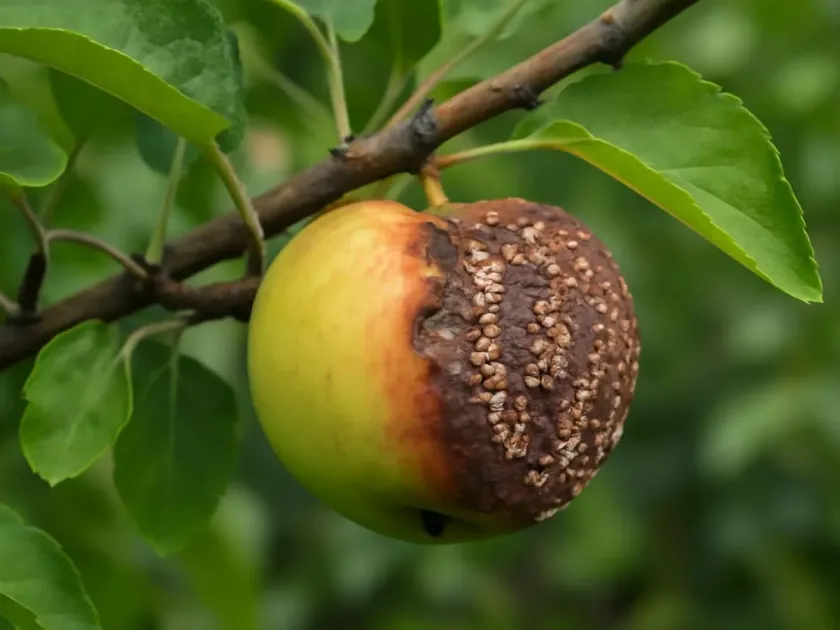
The initial symptom of fruit rot is typically a small brown spot that expands rapidly. The affected tissue becomes soft, watery, and loses its structural integrity within a few days.
A hallmark of this disease is the development of concentric circles of spores on the fruit surface. These spore masses can appear grey, yellowish, or white, depending on the specific fungal species involved.
For crops like mango, avocado, and pepper, the lesion often begins as a dark, sunken area. Over time, these areas enlarge and may turn black as the fungus consumes the fruit flesh.
Eventually, the infected fruit dehydrates and shrivels into a hard, blackened "mummy." These mummified fruits can persist on the plant or the ground, acting as a reservoir for spores in the following season.
When an infected fruit is cut open, the internal flesh is usually found to be mushy, discolored, and often emits a fermentation odor, rendering the fruit completely unsalable and inedible.
Pathogen
Fruit rot is a general term for various plant diseases caused primarily by fungal pathogens. In temperate regions, Monilinia fructigena is a major culprit, while in tropical regions, pathogens like Colletotrichum, Botryodiplodia, and Phomopsis are frequently responsible.
These pathogens invade plant tissues through microscopic wounds in the fruit skin, insect bites, or natural openings like the stem end. Spores are easily disseminated by wind, splashing rain, and contact with contaminated farm tools.
The fungus overwinters in mummified fruit that remains hanging on trees or lying on the orchard floor. When spring temperatures rise, the mycelium becomes active and initiates new infection cycles.
Biological analysis shows that these fungi release enzymes capable of degrading cell walls, which leads to the rapid softening of the fruit. This process creates an environment suitable for further fungal expansion and sporulation.
A wide variety of crops are susceptible to this disease, including stone fruits, berries, and economically significant tropical crops like pepper, papaya, mango, banana, and avocado.
Conditions for development
High relative humidity, typically above 75%, is the primary environmental driver for fruit rot development. Frequent rain and morning dew create the moisture necessary for fungal spores to germinate and colonize the fruit.
The optimal temperature range for these fungi is generally between +18 and +28 degrees Celsius. Warm, humid weather during the ripening phase is considered the highest risk period for rapid disease spread.
Physical injuries to the skin are critical entry points. Pests such as fruit flies, beetles, or even bird pecks significantly increase the incidence of infection, as the damage exposes nutrient-rich tissue to spores.
Poor orchard or greenhouse management, specifically dense planting or lack of pruning, inhibits airflow. This creates microclimates where moisture remains on the surface of the fruit for extended periods.
Failure to implement sanitation practices, such as failing to remove dropped or infected fruit, ensures that the pathogen population remains high, making outbreaks inevitable in subsequent cycles.
Why it matters
The economic impact of fruit rot is substantial, with yield losses often ranging from 50% to 80% if left unmanaged. The disease destroys both the aesthetic and market quality of the harvest.
A major risk involves post-harvest contamination: a single infected fruit in a storage crate can quickly spread spores to healthy fruit, leading to the rapid decay of entire shipping containers or batches.
For tropical exporters of mango, banana, or papaya, fruit rot is a leading cause of post-harvest rejection, leading to significant financial losses during international transport and distribution.
In addition to fruit loss, the infection can spread to stems and twigs, leading to necrosis. This can impair the plant's overall health and reduce its potential productivity for future growing seasons.
The combination of lost revenue, increased costs for fungicides, and expenses related to sorting and waste management imposes a heavy financial burden on agricultural producers.
Protection
The foundation of effective management is strict sanitation. Growers must regularly remove and destroy mummified or rotten fruit to eliminate the primary sources of inoculum from the field or orchard.
Pruning is essential to improve canopy airflow, which helps fruit dry quickly after rainfall. Proper pest management is also critical to minimize the entry points that fungi exploit to infect healthy fruit.
Fungicide applications should be timed to match key phenological stages, such as blooming and early fruit development, to prevent the infection from establishing in the first place.
- Removal of all infected fruit residues before the new season.
- Integrated pest management to prevent skin damage.
- Selection of resistant cultivars when available.
- Maintenance of strict cold-chain conditions during transit.
Effective post-harvest handling, including rapid pre-cooling of the produce, is essential to slow fungal metabolism. Storage facilities must be kept dry, well-ventilated, and clean to prevent the transmission of spores among fruit.
In brief
5
Affects crops
Biology
Pathogens and affected parts
Pathogens
Botryodiplodia· fungus
Botryodiplodia quercuum· fungus
Botryodiplodia rhodina· fungus
Botrytis cinerea· fungus
Botryotinia fuckeliana· fungus
Colletotrichum gloeosporioides· fungus
Cylindrocladium scoparium· fungus
Calonectria kyotensis· fungus
Dothiorella aromatica· fungus
Dothiorella gregaria· fungus
Dothiorella gregaria· fungus
Fusarium decemcellulare· fungus
Affected plant parts
fruitstemwhole plant
Content graph
Affects crops · 5
Content graph
Connections · Fruit rot
Most often together:
Marketplace
Products · 19




Community
Discussion
No discussions yet — be the first.