

SKU #46210
·
70 views
Williams
Pear
User rating
0 votes0% positive reviews
No ratings yet — be the first.
Ripening Period
Summer, Winter
Cold Resistance
High (up to -30°C)
Disease Resistance
To the rash, To fruit rot
Fetal Size
Medium (120–180 g), Large (180–250 g)
Store offers · 3 from 3 stores
Prices are updated on loadLoading offers…
Available at: Sadco · Sadovodd · Сади Валерії · Vasilevsad · Все Росте
Aggregator catalog: prices are collected automatically from store websites, normalized by AI and converted at the current exchange rate. Before ordering, confirm the price and availability on the store's website. This block is not indexed by search engines — the data is loaded after the page opens.
About product

A resilient summer variety featuring a legendary buttery texture and excellent cold hardiness.
Ripening Period
Summer, Winter
Cold Resistance
High (up to -30°C)
Disease Resistance
To the rash, To fruit rot
Fetal Size
Medium (120–180 g), Large (180–250 g)
Description
Cultivation and Performance
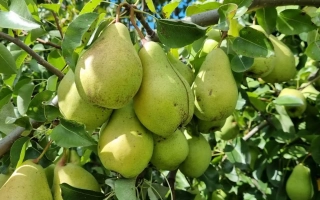
The 'Williams' pear is a staple for growers, known for its consistent productivity and resilience in Ukrainian climatic zones. With a cold tolerance reaching down to -30°C, the tree is highly durable, requiring minimal winter protection compared to more sensitive varieties. This resilience makes it a reliable asset for long-term orchard management.
Orchard Maintenance
From a maintenance perspective, 'Williams' is relatively straightforward. Its genetic resistance to common threats like scab and fruit rot significantly lowers the costs associated with chemical interventions. However, growers should prioritize canopy management; the tree responds well to regular pruning, which is essential to maintain the structural integrity and ensure that sunlight penetrates the center, maximizing fruit size (ranging from 120g to 250g).
Fruit Quality and Handling
- Yield profile: A range of medium to large fruits.
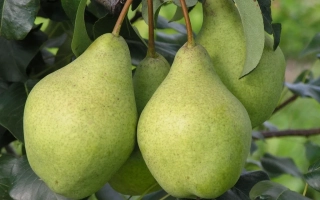
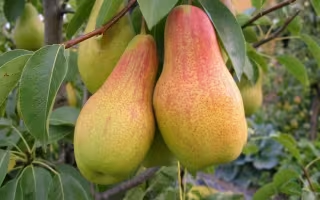
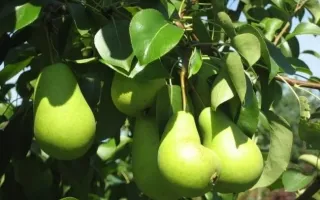
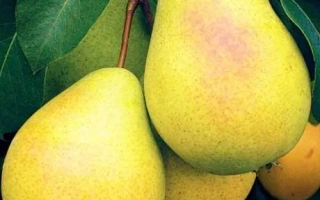
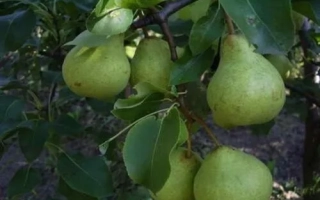
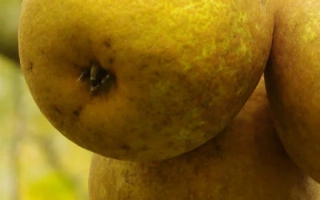
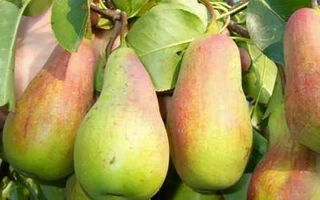
- Appearance: Classic yellow-green skin.
- Flavor profile: Distinctly sweet and dessert-grade.
- Texture: Buttery, soft, and exceptionally juicy.
The harvest phase requires attention to detail. Given the soft and melting consistency of the flesh, manual picking is recommended to prevent bruising. Proper logistics and cold storage are key to preserving the premium, buttery texture that makes 'Williams' a market favorite. It is an ideal variety for those prioritizing high-quality dessert fruit that satisfies the most demanding consumers.
Video · 9 videos
Suggest a video →Crop & resistance
Crop
Specifications hover over for a hint about the specification
|
Ripening Period
Ripening Period
It takes 70-100 days until pepper reaches flowering stage, 130-160 days until technical fruit ripeness, and 135-180 days until physiological ripeness. |
Summer, Winter |
|---|---|
| Cold Resistance | |
| Disease Resistance | |
| Fetal Size | Medium (120–180 g), Large (180–250 g) |
|
Fruit Color
Fruit Color
The fruit color of tomato varieties is influenced by the combination of skin and flesh color. Some varieties have transparent skin, others — yellow. When combined differently, the fruits can acquire quite diverse colors. The fruit color is affected by pigments (lycopene) and thei... |
|
| Flavor | |
| Meat Texture Consistency | |
| Laziness | |
| Height and shape of the tree | |
| Assignment | |
| Features | |
| Registration year | 1950 |
| Catalog | Catalog → Pear |
| Country | Ukraine |
Not yet комментариев. Be the first!
Alternatives
Pear saplings · similar varieties




See also
Often considered together with this variety




Recently viewed
Products you’ve viewed on this site
Reviews · 0