

Disease · fungal · affects Alfalfa, Arabica coffee, Asparagus
Especially harmful
Cercospora leaf spot
Cercospora
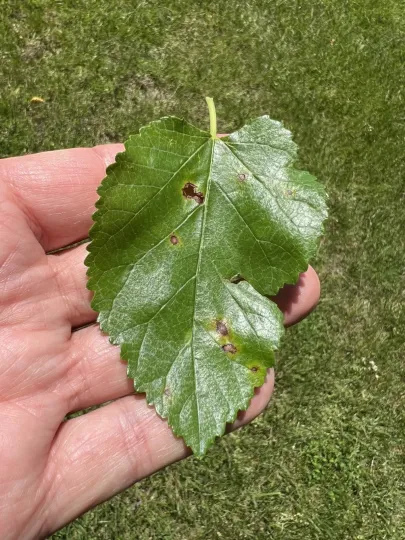
Description
Symptoms
The primary symptom of Cercospora infection is the appearance of small, circular to slightly irregular spots on the leaves. These spots typically start as light-colored lesions and gradually darken to tan, brown, or gray as the tissue dies.
Many Cercospora species produce a characteristic dark, often purplish or reddish-brown halo surrounding the lesion. In the center of the spot, particularly in high humidity, a fuzzy, gray-to-olive tint is often visible, which is the mass of spores being produced.
As the infection advances, individual spots frequently coalesce, resulting in large, necrotic patches that cover significant portions of the leaf blade. This leads to yellowing (chlorosis) and eventual browning and drying of the entire leaf.
Stems and petioles may also show elongated, sunken lesions, which can weaken the plant's structural integrity. This damage disrupts the transport of water and nutrients, further stressing the plant and limiting its growth potential.
In root crops such as fodder beets, the severe loss of foliage forces the plant to tap into its root reserves for recovery, leading to stunted root growth and a significant reduction in total yield and quality.
Pathogen
Cercospora leaf spot is a widespread fungal disease caused by various species of the Cercospora fungus. These pathogens are highly specialized, often targeting specific plant hosts including beets, onions, garlic, peanuts, asparagus, and various oilseed crops like rapeseed and mustard.
The fungus survives between seasons on crop residues left in the field or in the soil as sclerotia or mycelium. In the spring, under favorable conditions, the pathogen produces conidia, which are then disseminated by wind, rain splashes, and insects to new host plants.
Upon reaching a susceptible leaf, the conidia germinate and penetrate the host tissue through the stomata. Once inside, the fungus colonizes the intercellular spaces, absorbing nutrients and causing the characteristic cell death that manifests as distinct spots.
The life cycle of the pathogen is relatively short, allowing for multiple infection cycles within a single growing season. This ability to multiply rapidly under the right environmental conditions makes it a significant threat to agricultural productivity worldwide.
Genetic diversity within the Cercospora genus is significant, with different strains showing varying levels of virulence and host preference. This biological complexity requires continuous monitoring and development of resistant plant varieties to effectively combat the disease.
Conditions for development
Cercospora leaf spot thrives in warm and humid environments, with temperature requirements typically ranging between 20°C and 30°C (68°F–86°F). These temperatures are optimal for both fungal growth and spore germination.
High relative humidity and the presence of free water on leaf surfaces are essential for the initiation of infection. Frequent rainfall, heavy dew, or overhead irrigation creates the necessary conditions for the spores to move and enter the plant tissues.
Poor field hygiene and dense plant spacing contribute to the development of a microclimate with high humidity and limited airflow. This environment facilitates the rapid spread of the pathogen and makes it difficult to manage once an outbreak begins.
Cropping practices that do not include proper rotation with non-host crops lead to the build-up of pathogen inoculum in the soil. Consecutive plantings of susceptible crops increase the disease pressure year after year.
Nutritional imbalances, particularly nitrogen-rich soils that lead to soft, succulent growth, can make plants more susceptible to penetration by the fungal mycelium, exacerbating the impact of the disease.
Why it matters
The primary economic damage caused by Cercospora leaf spot is the reduction in photosynthetic leaf area. By destroying the leaves, the fungus prevents the plant from producing sufficient energy, directly impacting yield and product quality.
For crops like beets, the infection leads to lower sugar content and smaller root size, which can decrease the crop's market value by a significant margin. Yield losses during severe epidemics can exceed 50% in untreated fields.
In oilseed crops like rapeseed and mustard, the disease interferes with seed maturation. This often results in smaller, shriveled seeds with reduced oil content, making the harvest less profitable and harder to process.
Onions and garlic suffer from reduced post-harvest storage life due to Cercospora. The weakened tissue becomes a entry point for opportunistic pathogens, leading to rot and high storage losses, which diminishes the overall return on investment.
Farmers face the added economic burden of implementing regular fungicide programs. These treatments are essential to maintain crop health but increase overall production costs and require careful management to avoid environmental impact.
Protection
Integrated Pest Management (IPM) is the best approach to control Cercospora. The first and most critical step is the use of resistant or tolerant crop varieties, which are bred to withstand local strains of the pathogen and maintain high yields.
Crop rotation is essential to break the disease cycle. By planting non-host crops for at least three to four years, the amount of fungal inoculum in the soil can be reduced significantly, making the field safer for future susceptible crops.
Sanitation practices such as burying crop debris through deep plowing helps decompose the residue faster and eliminates the pathogen's primary wintering site. Keeping fields free of weeds is also important to prevent alternate hosts from harboring the disease.
When necessary, fungicide applications should be performed based on scouting and disease forecasting models. Using systemic fungicides and rotating chemical classes is crucial to minimize the development of fungicide resistance in the fungal population.
- Utilizing certified disease-free seeds for planting.
- Maintaining proper plant density to improve air circulation.
- Balanced fertilization to prevent overly succulent growth.
- Monitoring fields regularly for the first signs of spots.
- Removing and destroying infected plant debris after harvest.
In brief
50
Affects crops
Biology
Pathogens and affected parts
Pathogens
Cercospora· fungus
Cercospora gerberae· fungus
Cercospora medicaginis· fungus
Cercospora asparagi· fungus
Cercospora hayi· fungus
Cercospora canescens· fungus
Cercospora caracallae· fungus
Cercospora phaseoli· fungus
Cercospora albida· fungus
Cercospora beticola· fungus
Cercospora minuta· fungus
Cercospora apii· fungus
Affected plant parts
leafstemwhole plantfruitearseed
Content graph
Affects crops · 50
AlfalfaArabica coffeeAsparagusBananaBleeding heart vineCarpathian bellflowerCassavaCoffea canephoraCommon beanCommon hopCottonCranberryField peaFodder beetFuchsiaGarden verbenaGarlicGerbera jamesoniiHempIndian mustardLentilLettuceOnionPapayaPassion fruitPeachPeanutPearPepperPotatoRadishRaspberryRed cloverRhododendronRiceRoseRyeSafflowerSchlumbergeraSchlumbergera truncataSorghumSoybeanSpinachStrawberrySugarcaneSweet potatoTobaccoTurnipWatermelonWinter rapeseed
Content graph
Connections · Cercospora leaf spot
Most often together:
Marketplace
Products · 3


Community
Discussion
No discussions yet — be the first.