
Schlumbergera truncata
Schlumbergera truncata (Haw.) Moran
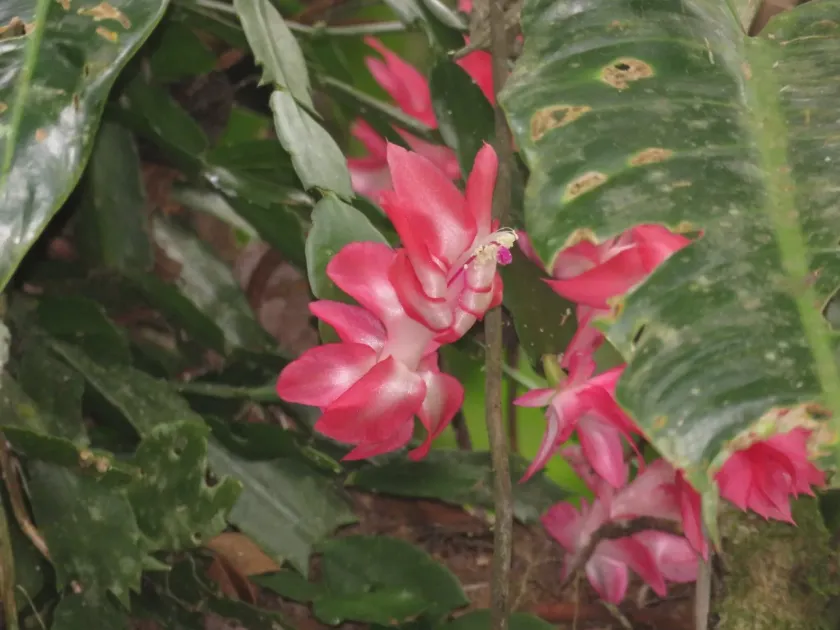
Description
Growing requirements
Schlumbergera truncata, commonly known as the Thanksgiving cactus, is a species of epiphytic cactus belonging to the Cactaceae family. It is native to the coastal mountains of south-eastern Brazil, where it thrives in humid, shaded forest environments.
The plant requires bright, filtered light and high humidity to flourish. Optimal growth occurs at temperatures between 18°C and 22°C. A distinct temperature drop to around 15°C is essential to trigger floral bud formation for the winter blooming cycle.
The growing medium must be highly porous and well-draining, similar to the epiphytic environment. A mix of peat, bark, and perlite is ideal to ensure proper aeration and prevent moisture-related root stress.
Standard agronomic practices for this crop include consistent watering during the growing season while ensuring the soil dries slightly between sessions. Overwatering is the most common cause of plant failure in commercial production.
Schlumbergera truncata is primarily cultivated as an ornamental pot crop, highly valued for its mass-blooming potential during the winter season when other flowering plants are dormant.
Main diseases and pests
The crop is susceptible to various fungal pathogens, including Fusarium and Rhizoctonia, which often thrive in waterlogged soil conditions. These infections typically lead to rapid decay of the basal stem segments.
Foliar diseases such as Alternaria, Cercospora, and Anthracnose can cause significant damage under conditions of poor ventilation and high humidity. Helminthosporium may also manifest if sanitation protocols are neglected.
Root-knot nematodes are a serious agricultural concern, as they disrupt root function and stunt plant development. Soil sterilization is critical to preventing infestations of this pest.
Viral infections like the tomato mosaic virus can significantly impact the quality of the crop, causing distorted growth patterns. Strict aphid control is necessary as they often act as vectors for such viruses.
Effective management strategies require a combination of preventative fungicide applications, maintaining optimal greenhouse hygiene, and early detection of pest populations to minimize economic losses.