
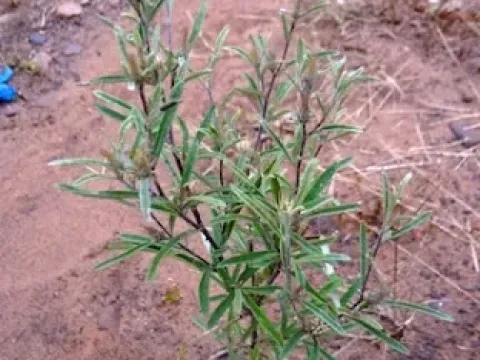
Symphorema
Symphorema
Symphorema is a genus of woody evergreen vines belonging to the Lamiaceae family. Native to the tropical regions of Southeast Asia, these plants thrive in high-humidity environments and are well-known for their striking inflorescences.
What the section contains
Symphorema
These plants require a warm, stable climate with high humidity to flourish. They prefer bright, filtered sunlight; while they need plenty of light for healthy development, direct afternoon exposure should be avoided to prevent leaf scorch.
The ideal soil for Symphorema is a well-draining, nutrient-rich substrate. Good aeration is essential for the root system, so pots should have large drainage holes, and soil mixes should include organic matter and perlite to maintain moisture without waterlogging.
Temperature management is critical as the plant is not frost-tolerant. It requires consistent tropical temperatures, typically between 20°C and 30°C. In temperate zones, it is strictly a greenhouse or indoor ornamental plant.
Cultural practices include regular irrigation during the growing season and periodic fertilization with a balanced liquid feed. Because it is a climbing plant, robust support structures like trellises or wires are necessary to guide its vigorous growth.
Symphorema serves purely as an ornamental plant and is valued for its lush foliage and unique bract-encased flowers. While it lacks commercial agricultural yield in terms of harvestable crops, its aesthetic value is high in horticulture.
The plant demonstrates significant vegetative vigor, allowing it to cover large vertical surfaces rapidly. In a greenhouse setting, it acts as a primary structure for creating shaded areas or decorative green walls.
Flowering usually occurs during the dry season, provided that the plant has sufficient energy reserves and exposure to light. The flowers are surrounded by large, papery bracts that provide a long-lasting visual display, making the plant highly popular for specialized gardens.
Propagation is generally successful through stem cuttings taken during the active growing phase. High humidity and bottom heat significantly increase the success rate of root initiation for new plants.
In specialized horticultural settings, the plant is managed through strict pruning to keep it within the desired boundaries of the greenhouse or conservatory, preventing it from becoming invasive in smaller spaces.
The most common pests affecting Symphorema are spider mites and scale insects. These pests thrive in dry indoor air, necessitating consistent monitoring and the use of insecticidal soaps or horticultural oils when outbreaks occur.
Root rot is the most serious threat, usually resulting from overwatering or poor soil drainage. If the soil remains saturated for long periods, the roots will decay, leading to irreversible plant stress or death.
Fungal issues, such as powdery mildew, can occur if ventilation is inadequate. Ensuring that the foliage can dry off after watering and that there is constant airflow around the vine is essential for disease prevention.
Nutritional deficiencies often manifest as chlorosis or stunted growth. Using high-quality fertilizer and monitoring the pH levels of the irrigation water will help maintain the deep green color of the foliage.
Sanitation is key to preventing disease outbreaks. Regular pruning of old, diseased, or dead material reduces the habitat for pests and promotes better circulation, which is vital for maintaining the health of the entire plant.