
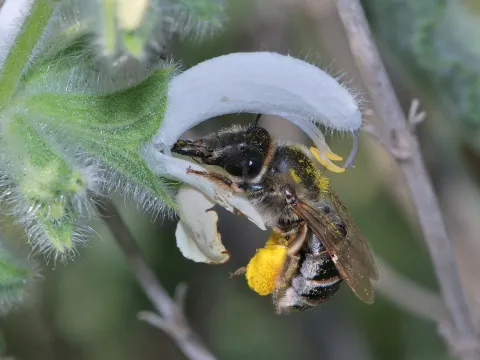
Syrian sage
Salvia syriaca
Syrian sage is a perennial herbaceous plant belonging to the Lamiaceae family. The seeds have a natural dormancy period, requiring stratification to achieve consistent germination rates in field conditions.
What the section contains
Syrian sage
The optimal time for sowing is during early spring when soil temperatures reach approximately 12 degrees Celsius. Fall planting is also an alternative that allows seeds to undergo natural winter hardening.
Seeds should be planted at a depth of 1 to 2 centimeters. Maintaining adequate surface moisture during the first few weeks after germination is crucial for developing a strong root system.
Spacing between rows should be maintained to prevent overcrowding, which allows for better air circulation and reduces the risk of fungal diseases developing within the plant canopy.
Vegetative propagation by division or cuttings during the late spring season is highly effective for maintaining specific plant characteristics and accelerating stand establishment.
This crop thrives in sunny locations as it is highly photophilous and drought-tolerant. Direct exposure to sunlight is essential for optimizing the production of volatile oils in the foliage.
Syrian sage performs best in well-drained, sandy loam or loamy soils. It has a high sensitivity to waterlogged conditions, which can lead to rapid root decay if drainage is poor.
The plant demonstrates a strong tolerance to variable climate conditions typical of steppe regions. It is capable of surviving moderate winter temperatures with minimal winter protection.
Soil pH should ideally be neutral or slightly alkaline. While the plant can tolerate nutrient-poor soils, modest applications of balanced fertilizers can significantly enhance biomass production.
Water management is critical; while the crop is drought-resistant, supplementary irrigation during the early vegetative growth phase can significantly improve overall harvest yields.
Powdery mildew represents a primary threat to Syrian sage, particularly in environments with high humidity or poor air movement. Symptoms include a white fungal coating on the leaves.
Root rot, often caused by pathogens like Phytophthora or Pythium, occurs primarily in soils that lack proper drainage. Correct irrigation timing is the best preventative strategy.
Pests such as aphids and spider mites can infest the crop, especially during hot and dry spells. Integrated pest management practices are recommended to minimize damage to the foliage.
Insects that consume leaf tissue can lead to stunted growth. Monitoring the population levels of these pests during the active growing season allows for targeted interventions.
Good agricultural hygiene, including regular weeding and removal of infected plant debris, is vital for maintaining the health and longevity of the sage plantation.
Harvesting should coincide with the peak flowering phase of the plant. This is when the leaves and flowers contain the highest concentration of essential oils and active compounds.
The harvesting process involves mechanical or manual cutting of the aerial parts. Leaving a portion of the stem allows the plant to regenerate for subsequent harvests within the same year.
Post-harvest processing involves rapid drying in a well-ventilated, shaded environment. This method ensures the retention of the plant's essential oils and preserves its natural aesthetic quality.
Syrian sage is a versatile crop, primarily used for its medicinal and aromatic properties. It serves as a raw material for pharmaceutical extracts and culinary spice production.
Beyond industrial use, the plant is valued in landscape design due to its aesthetic inflorescences and low-maintenance requirements, making it a valuable addition to rural landscapes.