
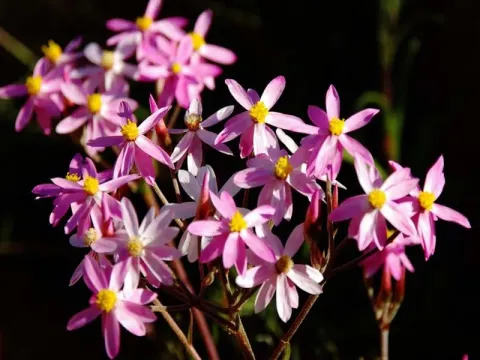
Lawrencella
Lawrencella
Lawrencella seeds, often known as Australian sunrays, should be sown indoors in March or early April. Maintaining a temperature of 20–22 degrees Celsius is essential for successful and uniform germination.
What the section contains


Lawrencella
Use a light, well-draining substrate for sowing, as the seedlings are highly sensitive to moisture excess during the initial stages of development. Covering the seeds with a thin layer of vermiculite helps maintain humidity.
Transplanting into the open field should only occur once the danger of frost has passed. In warmer regions, direct sowing in the ground is possible in May, once the soil has warmed up sufficiently.
When planting, ensure a spacing of at least 20–25 centimeters between plants. This distance provides adequate air circulation, which is critical for the overall health of the crop.
Pinching the tops of young shoots after the formation of five true leaves is recommended to promote branching and increase the number of flower buds produced by each plant.
Lawrencella thrives in sunny locations protected from strong winds, as the stems can be somewhat fragile. A lack of sunlight often leads to stunted growth and duller flower colors.
The plant prefers sandy or light loamy soils with a neutral or slightly acidic pH. The most critical requirement is excellent drainage, as the root system is highly prone to rot in waterlogged conditions.
Watering should be consistent but moderate, allowing the top layer of soil to dry out between sessions. Overwatering is the most common cause of failure in Lawrencella cultivation.
Regular application of balanced mineral fertilizers every three weeks throughout the growing season supports healthy development and vibrant blooms.
Maintaining a weed-free environment around the plants is essential for reducing the risk of pests and diseases. Mulching can help manage moisture and weed competition effectively.
Lawrencella is primarily valued as a highly productive ornamental crop, widely used in the dried flower industry. With proper care, each plant produces a high density of durable floral stems.
The flowering period typically lasts from mid-summer until the first autumn frosts. Regular deadheading of spent blooms stimulates the formation of new flowering stems throughout the season.
As a member of the Asteraceae family, Lawrencella produces blooms that are naturally resistant to drying, maintaining their shape and color long after harvesting.
Yield quality is highly dependent on light exposure and climate management. Sunny and open environments significantly improve the structural integrity of the harvested flowers.
The crop is suitable for both small-scale garden production and more commercial decorative floral applications due to its high aesthetic value and longevity.
Fungal diseases, specifically root rot, are the most frequent issues for Lawrencella, usually triggered by poor drainage or excessive humidity. Ensuring proper soil structure is the best prevention.
Powdery mildew may occur if planting is too dense and airflow is restricted. To manage this, avoid overhead watering and provide adequate space between individual plants.
Aphids can be a problem, clustering on young, tender growth. Regular monitoring and the use of targeted insecticides or biological controls can mitigate their impact.
Spider mites can also threaten the plants in hot, dry conditions. Maintaining balanced moisture levels helps the plants stay resilient against these pests.
General hygiene, such as removing debris and preventing water from stagnating around the root zone, significantly lowers the likelihood of severe outbreaks.
Harvesting for dried floral arrangements should take place when the buds are partially open, with the flower bracts still tightly pressed against the center.
Cutting is best performed on a dry, sunny morning after the dew has evaporated. This practice reduces the risk of fungal contamination during the drying process.
Tie the harvested stems into small bundles and hang them upside down in a dark, dry, and well-ventilated room to preserve the natural pigments from fading.
Drying typically requires one to two weeks, depending on ambient humidity. It is vital to avoid humid rooms, as moisture will cause the flowers to lose their quality.
Properly cured Lawrencella stems remain durable and aesthetically pleasing for several years, making them an excellent choice for long-lasting decorative compositions.