
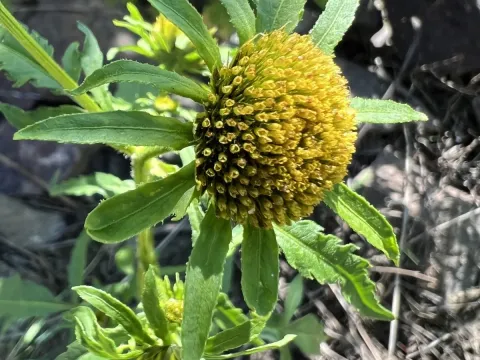
Leafy beggarticks
Bidens radiata
Bidens radiata, commonly known as leafy beggarticks, is an annual plant belonging to the Asteraceae family. It is recognized both as a potential medicinal crop and a persistent weed in damp agricultural environments.
What the section contains
Leafy beggarticks
The plant originates from temperate regions and typically inhabits wetlands, riverbanks, and marshy soil. Its ability to adapt to high-moisture conditions makes it a characteristic species for alluvial plains.
In terms of agricultural requirements, it thrives in nutrient-rich, moist soils. It requires consistent irrigation or a naturally high water table to achieve maximum vegetative development during the summer season.
The plant structure features a branched stem and yellow flower heads surrounded by distinct, long bracts. Its morphological traits allow it to compete effectively for space and sunlight in moist meadows.
Economic use of Bidens radiata involves the harvest of aerial parts for pharmaceutical purposes, particularly for their anti-inflammatory properties. Sustainable harvesting practices are essential for maintaining population density.
Common threats to Bidens radiata include fungal pathogens that thrive in humid environments. Powdery mildew is particularly prevalent, often reducing the quality of the harvested biomass.
Insect pests such as aphids and various leaf-feeding caterpillars represent the primary biological threats. These pests can significantly reduce the vitality of the plant if left unchecked.
Management of the plant as a weed involves standard tillage and mechanical control methods. Timing is critical, as seeds can spread rapidly if the plants are allowed to mature in fields.
Preventive measures include managing water drainage in low-lying areas. Proper field sanitation is necessary to minimize the spread of diseases and pests among the aster family species.
Farmers should prioritize the integration of crop rotation to break the life cycle of pests. Chemical interventions should be used sparingly, focusing on the specific growth stages of the plant.