
Lawrencella davenportii
Lawrencella davenportii
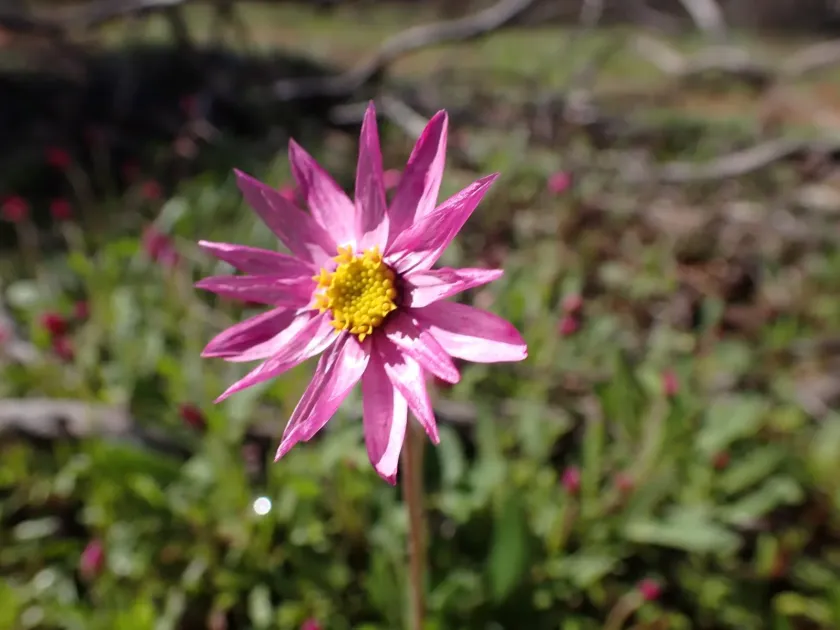
Description
Growing requirements
Lawrencella davenportii is an annual herbaceous plant belonging to the Asteraceae family. It is a unique botanical specimen native to arid regions of Australia, adapted to harsh environmental conditions and specific soil types that are characteristic of its natural habitat.
Cultivation of this species requires well-drained, sandy-loam soils. It is intolerant to waterlogging, as the root system is highly susceptible to hypoxia and rot if the soil moisture levels remain consistently high over an extended period of time.
This crop thrives in full sun exposure. It has significant requirements for solar radiation to maintain its structural integrity and reproductive health. Inadequate light levels will lead to etiolation, significantly weakening the plant's physiological development.
Climate requirements include warm temperatures with an optimal range between 20°C and 25°C. The plant is sensitive to cold, and agricultural management must ensure that planting occurs only after the risk of frost has completely passed in the spring season.
Agrotechnical practices involve careful management of water, focusing on localized irrigation. Due to its adaptation to arid zones, the plant performs best when the soil is allowed to dry out slightly between successive watering cycles.
Main diseases and pests
The primary threats to this plant are fungal diseases associated with excess moisture. Pythium species often cause damping-off in seedlings, which can destroy an entire crop if the irrigation regime is not strictly controlled by the agronomist.
Pests such as mites and aphids are common challenges in hot and dry climates. Integrated pest management strategies, including the use of biological control agents or targeted pesticides, are necessary to protect the plant's health during the peak vegetative phase.
Powdery mildew represents a risk in crowded planting layouts. Maintaining adequate spacing between plants is essential for ensuring proper airflow, which reduces humidity levels around the foliage and inhibits the growth of fungal pathogens.
Monitoring for signs of nutrient deficiencies is also part of effective disease prevention. Plants under stress due to poor soil conditions are significantly more susceptible to opportunistic pathogens and pest attacks than well-nourished individuals.
Sustainable production practices suggest rotating the planting location annually to prevent the build-up of host-specific soil-borne pathogens. This simple practice is crucial for maintaining the long-term vitality of the agricultural site.