
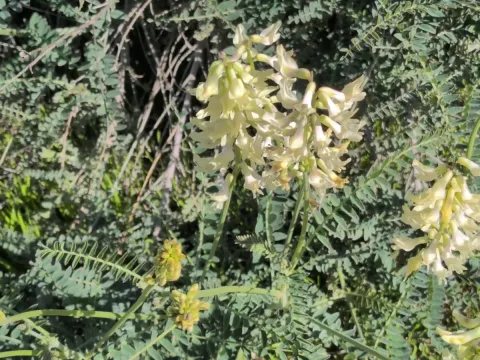
Astracantha
Astracantha
Astracantha is a genus of perennial, spiny shrubs belonging to the Fabaceae family. Many botanists classify these plants as part of the Astragalus genus, characterized by their remarkable ability to survive in arid, high-altitude environments across Central Asia and the Middle East.
What the section contains
Astracantha
The plant thrives in well-drained, sandy, or rocky soils. Poor drainage is detrimental to its health, as moisture accumulation around the root collar quickly leads to fungal infections and systemic decay of the shrub.
Astracantha is exceptionally tolerant of temperature extremes, thriving in regions with intense summer heat and cold winters. It is a slow-growing plant that requires substantial solar exposure to develop its characteristic gum-producing properties.
Cultivation requires careful site selection, avoiding areas prone to seasonal flooding. As a drought-resistant crop, it does not require supplemental irrigation once established, making it suitable for semi-desert agricultural regions.
The establishment of a new plantation involves either direct seeding in managed environments or vegetative propagation. Because the plant has a deep taproot system, it is crucial to minimize soil disturbance during the early growth stages.
The primary economic value of Astracantha lies in the production of gum tragacanth. This high-viscosity, water-soluble polysaccharide is harvested as an exudate from the roots and stems of the plant.
Harvesting involves making superficial longitudinal incisions into the bark during the hottest months of the year. The sap exudes and dries into ribbons or flakes, which are then collected by hand for processing.
Tragacanth gum is highly prized in the global market as a food additive (E413) used for its superior thickening, stabilizing, and emulsifying properties. It is essential in the production of dressings, beverages, and confectionery.
In the pharmaceutical industry, the gum is utilized as a binding agent for pills and a stabilizer for medicinal suspensions and lotions. Its ability to form a stable gel in low concentrations makes it a preferred ingredient.
Quality control during harvest is vital, as the purity and color of the gum determine its market grade. Collectors must be trained to ensure that the harvesting process promotes the longevity of the plant rather than its destruction.
Root rot is the most significant pathological threat to Astracantha plantations, usually caused by poor soil aeration or excess moisture. Once infection reaches the vascular system, the plant typically cannot be saved.
Insect pests, specifically aphids and certain coleoptera, can severely impact plant vigor. These pests feed on succulent tissues, reducing the plant's overall energy reserves and hindering its ability to produce gum.
Overgrazing by livestock is a major ecological threat in areas where Astracantha grows naturally. Constant browsing prevents the plants from reaching maturity and effectively destroys young natural recruits.
Climate instability, particularly unexpected humidity spikes during the summer, can encourage the spread of mildew and other foliage diseases. Such conditions are atypical for the plant's natural habitat and leave it vulnerable.
Strategic management of plantations should include periodic monitoring for signs of infestation and ensuring that the harvest schedule does not coincide with periods of environmental stress for the plant.