
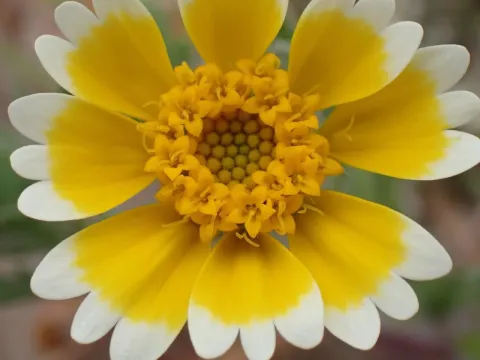
Layia elegans
Layia elegans
Layia elegans, commonly known as Tidy-tips, is a charming annual plant belonging to the Asteraceae family. Sowing is typically performed in early spring after the risk of frost has passed to ensure optimal germination.
What the section contains
Layia elegans
For gardeners in regions with short growing seasons, starting seeds indoors 4–6 weeks before the last expected frost is recommended. Use a well-draining seed starting mix and keep the containers in a bright location.
When sowing directly into the garden, seeds should be lightly covered with fine soil or compost. Space the plants about 20–30 cm apart to allow for proper airflow and development of the mature foliage.
Germination usually takes 10–14 days. Maintaining consistent soil moisture during this initial period is crucial for establishing healthy seedlings before they develop a more robust root system.
Successive sowings every few weeks can be practiced to achieve a continuous display of yellow and white flowers throughout the summer and into the early autumn months.
Native to the coastal ranges and valleys of California, this plant thrives in full sunlight. It requires at least 6–8 hours of direct sun daily to maintain its compact habit and prolific flowering.
Tidy-tips perform best in well-draining, sandy, or loamy soil types. They are naturally adapted to poor soil conditions but will grow more vigorously in moderately fertile ground.
The species is remarkably drought-tolerant once established. However, during periods of extreme heat, a light, regular watering schedule will help maintain the plant's aesthetic appeal and extend the blooming season.
Excessive fertilizer is discouraged, as it often leads to lush, leggy foliage at the expense of floral production. A light application of balanced, slow-release fertilizer at planting is generally sufficient.
The plant prefers good air circulation to stay healthy. Avoid overcrowding in beds, as high humidity coupled with stagnant air can lead to foliage stress and potential fungal growth.
Powdery mildew is a common fungal issue for Layia elegans, especially in humid climates or crowded plantings. It appears as a white, dusty layer on the leaves and can be mitigated by improving air circulation.
Root rot is a significant risk if the soil remains waterlogged. Ensuring that the planting site has excellent drainage is the most effective preventative measure against this condition.
Aphids and spider mites are the most frequent insect pests. These pests can damage the tender growth and affect flower quality if left untreated for long periods of time.
In some regions, slugs and snails may target the young seedlings during early spring. Using physical barriers like copper tape or crushed eggshells around the base can offer effective protection.
Monitoring for signs of pests or disease should be a routine part of garden maintenance. Early detection allows for the use of gentle, organic interventions before the problem spreads.
Layia elegans is widely valued in horticulture for its unique appearance, characterized by yellow ray florets with distinct white tips. It is an excellent choice for wildflower meadows and rock gardens.
The flowers are suitable for fresh arrangements. To maximize vase life, harvest stems in the early morning when the flowers are partially open and place them immediately in clean water.
The plant serves as a vital resource for pollinators, including native bees and butterflies. Including it in a garden supports local biodiversity and promotes a healthy ecosystem.
Seed collection is simple and rewarding. Wait until the flower heads are dry and brownish, then harvest the seeds and store them in a cool, dry environment for future cultivation.
As a low-maintenance annual, it creates a visual impact with minimal effort, provided its basic requirements for sun and drainage are met, making it a favorite among wildflower enthusiasts.