
Layia
Layia
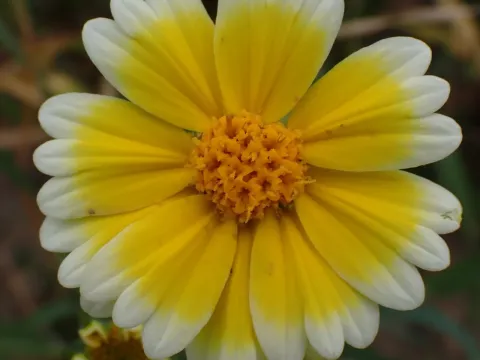
Layia is a genus of annual flowering plants within the Asteraceae family. Known commonly as "tidy tips" due to the distinctive white edges on their yellow petals, these plants are popular in ornamental horticulture.
What the section contains

Layia
Sowing in open ground occurs in mid-to-late spring once the danger of frost has passed. Seeds should be sown in a sunny location where the soil has warmed up, ensuring optimal conditions for germination.
For earlier blooms, Layia can be started indoors in seed trays during late winter. Use a well-draining, sterile potting mix and maintain a consistent temperature of about 18 to 20 degrees Celsius.
As the seeds require light to germinate, they should be sown on the surface of the soil rather than buried deeply. Lightly pressing the seeds into the substrate is sufficient to maintain contact.
Once seedlings have reached a height of a few centimeters, they should be thinned out to ensure adequate spacing. A distance of 20 to 30 centimeters is recommended to allow for healthy air circulation and plant development.
Layia requires full sun exposure to flourish. These plants are native to open, sunny environments and will struggle or fail to produce quality flowers if placed in partial or deep shade.
The preferred soil type is light, sandy, and porous. Excellent drainage is the most critical factor for successful growth, as the roots are highly susceptible to rot in heavy or waterlogged substrates.
The plant thrives in soil with neutral or slightly alkaline pH levels. While it does not require extremely fertile ground, it benefits from a well-structured medium that allows roots to penetrate easily.
Watering should be managed carefully. Once established, Layia is relatively drought-tolerant; irrigation should be limited to dry periods to prevent moisture accumulation around the crown.
Fertilization should be kept to a minimum. Excessive nitrogen promotes vegetative growth at the expense of floral production, so a balanced, low-nitrogen fertilizer is usually sufficient if soil fertility is low.
Root rot and fungal infections represent the primary biological threats to Layia. These issues are almost exclusively linked to poor drainage or overly frequent irrigation, which create an environment conducive to pathogens.
Pests such as aphids and spider mites are common concerns during hot, dry weather. These insects sap the vitality of the plant and can cause significant damage to foliage and developing buds if left untreated.
Preventative measures center on good agricultural hygiene, such as avoiding overcrowding and ensuring that the soil surface dries out between watering intervals to discourage fungal growth.
Chemical control via fungicides may be necessary in high-humidity seasons to prevent the spread of powdery mildew. Application should be performed early in the day when winds are calm.
For managing pest outbreaks, botanical oils or targeted insecticides are effective. Consistent monitoring of the undersides of the leaves is advised to catch infestations before they spread to the entire population.