
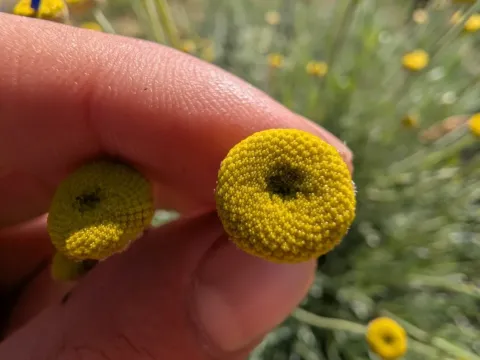
Lavender cotton
Santolina oblongifolia
The sowing of Santolina oblongifolia seeds is typically performed in early spring, specifically between March and April, using specialized nursery trays or greenhouses to protect delicate seedlings. Seeds require a steady temperature of 18–20 degrees Celsius for successful germination.
What the section contains
Lavender cotton
Seedlings should be transplanted to the permanent outdoor location only after the danger of frost has completely passed, which usually occurs in late May. Maintaining a planting distance of at least 30–40 centimeters between bushes is crucial to ensure adequate airflow and prevent overcrowding.
Vegetative propagation via cuttings is a highly effective method, often preferred for maintaining the characteristics of specific cultivars. Cuttings are taken during the summer months from semi-hardwood stems and rooted in a light, sandy substrate under moderate humidity.
The initial establishment phase requires consistent moisture until the root system is sufficiently developed. Once established, the plants demonstrate remarkable vigor and can withstand various environmental stresses with minimal human intervention.
Proper timing for sowing and transplanting allows the crop to fully mature and prepare for the winter months, ensuring long-term survival in various agricultural landscapes.
As a member of the Asteraceae family, Santolina oblongifolia is a strictly sun-loving plant that thrives in open, high-light environments. Inadequate sunlight leads to elongated stems and a sparse growth habit, reducing the overall aesthetic and commercial value.
The soil requirements focus on excellent drainage; the plant prefers dry, loose, and slightly alkaline or neutral soils. It is highly intolerant of waterlogged conditions, which lead to rapid root decay and plant mortality.
The species is exceptionally drought-tolerant once mature, making it an excellent candidate for cultivation in arid or semi-arid regions. Occasional watering is only required during extreme, prolonged dry spells.
Formative pruning is essential to maintain the dense, mound-like structure typical of this species. Pruning should be performed annually after the flowering period, removing approximately one-third of the growth to stimulate new branching.
The plant exhibits moderate cold hardiness but benefits from protective mulch during severe winters. In areas with high rainfall or heavy clay soils, raised beds are highly recommended to ensure root aeration.
The most significant threat to this crop is excessive soil moisture, which predisposes the plants to various fungal pathogens, most notably Fusarium wilt and root rot diseases. Preventive drainage is the most effective defense.
Powdery mildew can occur in areas with poor air circulation or during periods of high humidity. Regular thinning of the plants and strategic site selection help mitigate the risk of fungal spread throughout the crop.
Pests such as aphids and spider mites can occasionally affect the plant during hot, dry summer periods. These should be managed using targeted insecticide treatments or natural control methods such as neem oil applications.
Nematode infestations in the root zone are a potential problem in unsuitable soil types. Ensuring proper crop rotation and using healthy, pest-free planting stock are essential preventative agronomic practices.
Consistent monitoring and early detection of localized infections are key to maintaining the overall health of the plantation and preventing widespread economic loss.
Harvesting for essential oil production or herbal use is best conducted at the peak of the flowering stage, when the volatile oil content in the leaves and blossoms is at its maximum density.
The harvested material must be dried in a shaded, well-ventilated area to preserve the integrity of the essential oils. Excessive heat or direct sunlight during the drying process should be strictly avoided.
Once processed, the dried foliage is utilized in various industries, including pharmacy, perfumery, and even as a natural moth repellent for textile storage.
Deadheading the faded flowers is also a common practice that keeps the plants healthy and prevents unwanted self-seeding, especially in decorative or small-scale commercial landscape applications.
Proper storage in airtight, cool, and dark containers ensures that the dried product retains its potent aroma and chemical properties for extended periods of time.