
Launaea taraxacifolia
Launaea taraxacifolia
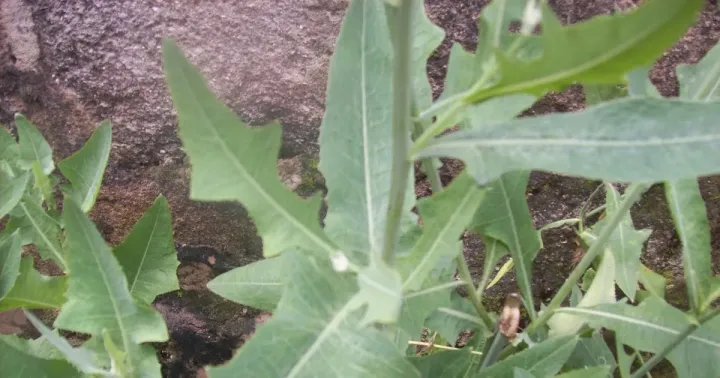
Description
Sowing dates
Launaea taraxacifolia is a herbaceous perennial in the Asteraceae family, typically grown as an annual or short-lived perennial crop in tropical regions. Sowing usually occurs at the onset of the rainy season to ensure sufficient moisture for seedling emergence and initial vegetative growth.
Propagation is primarily achieved through direct seeding into prepared seedbeds or rows. Seeds should be sown shallowly, at a depth of 1–2 centimeters, allowing the seedlings to develop into a robust leaf rosette suitable for harvesting.
In regions with irrigation, cultivation can continue year-round provided that temperature and water management are optimized. Starting crops in nurseries can also be an effective strategy to ensure high transplant survival and uniform growth across the plantation.
Seed quality and preparation play a significant role in production efficiency; utilizing fresh seeds increases germination vigor significantly. Sowing density should be managed based on whether the crop is intended for young leaf harvest or for allowing full mature leaf development.
For efficient management, row spacing of about 40 centimeters is recommended, allowing for easier weeding and harvesting. Proper spacing minimizes competition for nutrients and light, which are critical for maintaining the high leaf quality expected for market standards.
Growing requirements
This crop thrives in full sun, making light management a priority for successful cultivation. Insufficient lighting often leads to stem stretching and a noticeable decline in both yield and the flavor profile of the leaves, which are highly valued for their nutritional density.
Soil requirements for Launaea taraxacifolia favor well-drained loams or sandy soils with a neutral pH level. The crop is susceptible to root rot in waterlogged conditions, making effective drainage or the use of raised beds essential in areas with heavy or clay-based soils.
Optimal growth temperatures for the plant range from +22°C to +30°C. While it is well-adapted to tropical heat, consistent soil moisture is required to prevent the plants from prematurely bolting or developing a bitter taste, which decreases commercial marketability.
Fertilization should prioritize organic matter, which should be incorporated into the soil during land preparation. Supplemental nitrogen can be applied during the growing season to boost biomass production, particularly after the first few harvests have been completed.
Regular irrigation is vital, especially during dry spells, as drought stress quickly affects the crispness and tenderness of the leaves. Mulching is highly recommended to conserve moisture and suppress weed growth, as the crop can struggle to outcompete vigorous invasive weeds.
Yield
The yield of Launaea taraxacifolia is characterized by its capacity for rapid regrowth following regular leaf harvests. With proper management, the first marketable leaves can be ready for harvesting within 4 to 6 weeks, depending on local environmental conditions.
Total annual yield is determined by the number of cuts performed and the general health of the plants. Selective harvesting, which involves picking the outer, fully developed leaves, stimulates the central point to produce new growth, extending the overall production cycle.
High biomass yields are achievable through intensive cultivation practices, including consistent fertilization and adequate irrigation. It is essential to avoid delaying harvests, as older leaves often become fibrous and less desirable to consumers, negatively impacting the total marketable yield.
Yield metrics can vary depending on soil fertility and the frequency of harvesting. Expert growers suggest that optimizing nutrition management allows for a much longer productive lifespan for each individual plant within the field.
Economic success is supported by strong demand in local tropical markets, where the plant is utilized as a healthy and affordable source of vitamins. Stable market prices allow farmers to plan production cycles effectively to meet demand throughout the year.
Main diseases and pests
Fungal diseases, such as powdery mildew, are the primary threats to crop health, especially in humid and stagnant air conditions. Preventing these issues involves maintaining proper plant spacing and ensuring good airflow across the plantation to keep foliage dry.
Common pests like aphids and leaf-eating caterpillars can damage the appearance and quality of the leaf surface. Routine scouting of the crop is recommended to identify pest presence early and manage populations without resorting to heavy synthetic pesticides.
Root-knot nematodes may present a challenge if the crop is continuously grown in the same area for multiple seasons. Implementing a crop rotation strategy is an essential agricultural practice to break pest life cycles and maintain long-term soil health.
Physiological disorders, often linked to improper irrigation or nutritional imbalances, can manifest as leaf chlorosis. Consistent monitoring of soil moisture and nutrient levels is the most effective way to prevent these issues and maintain robust plant immunity.
Biopesticides and integrated pest management (IPM) techniques are becoming the standard for producing chemical-free Launaea. These environmentally friendly methods are highly effective and align with the growing consumer demand for clean and sustainably grown agricultural produce.
Harvesting
Harvesting Launaea taraxacifolia requires a selective approach: mature outer leaves are hand-picked, leaving the inner growth to continue developing. This method ensures long-term field productivity and multiple yields from the same set of plants.
Using clean, sharp tools during harvesting prevents mechanical damage to the central growth point, which is critical for future regrowth. Produce should be gathered and placed in shaded containers immediately to prevent heat-induced wilting.
Post-harvest care involves quick cooling and transport to maintain the product's crispness and vibrant color. Perforated packaging can help regulate humidity, preserving the quality of the leaves until they reach the final consumer.
When the cultivation objective includes seed production, plants are left undisturbed until the flowering heads fully mature and darken. These heads are then dried in well-ventilated areas to ensure high seed viability for subsequent planting cycles.
Field hygiene is essential following the final harvest; clearing the field of crop residues prevents the buildup of pathogens. This practice ensures that the land is prepared properly for the next crop rotation and minimizes future infestation risks.