
Pink Immortelle
Lawrencella rosea
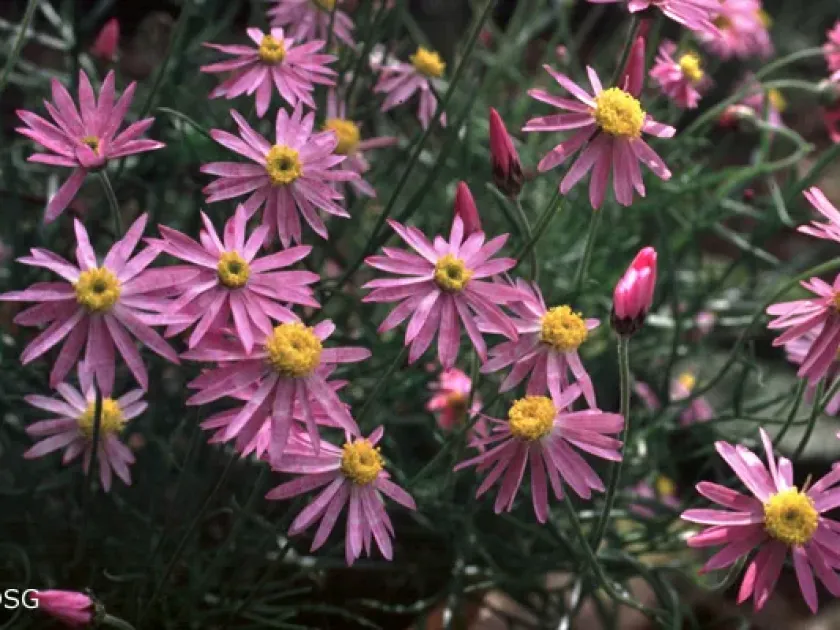
Description
Sowing dates
Sowing of Lawrencella rosea in temperate regions is typically carried out using seedling trays, starting from late winter or early spring.
The seeds of this crop demonstrate high germination rates when maintained at temperatures between 18 and 22 degrees Celsius.
The growing medium for sowing should be light, well-aerated, and sterile to prevent fungal infections during the germination stage.
Pricking out the seedlings should be done after the first pair of true leaves appears, ensuring enough space for proper root development.
Transplanting to open ground should only occur after the risk of frost has passed, as the plant is sensitive to cold temperatures.
Growing requirements
Pink Immortelle prefers well-lit areas with direct sunlight, which is essential for promoting dense and vibrant flowering.
Soils must be well-drained with a neutral or slightly acidic pH level, as waterlogging is detrimental to this species.
The plant requires regular but moderate watering, allowing the top layer of soil to dry out between irrigation cycles.
During the active growth phase, the crop responds well to balanced mineral fertilizers with low nitrogen content.
Agronomic maintenance also includes systematic weeding and soil cultivation around the root zone to enhance aeration.
Harvesting
The flowering period of Lawrencella rosea occurs during the summer months, producing attractive blooms on long stems.
Stems intended for use in fresh bouquets or dried arrangements should be harvested when the flower buds are fully opened.
If seed production is the goal, wait for the flower heads to fade and dry naturally on the plant before harvesting.
Collected seed material should be dried in a dark, ventilated area and cleaned of debris before long-term storage.
At the end of the vegetation period, when grown as an annual, plant residues should be removed and composted to ensure hygiene.