
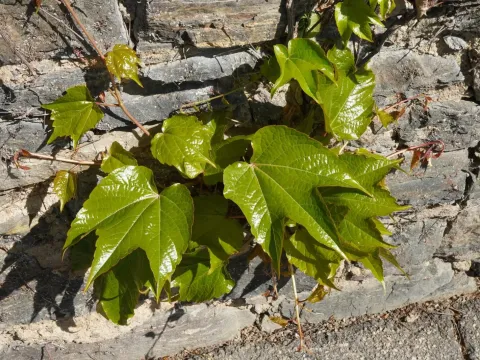
Virginia creeper
Vitis inconstans
The Virginia creeper (Parthenocissus inconstans) is a member of the Vitaceae family. It is a vigorous, deciduous woody vine that is widely valued for its exceptional growth rate and ability to climb vertical surfaces using specialized adhesive tendrils.
What the section contains
Virginia creeper
Originally native to Eastern Asia, this plant has been introduced to many regions globally as a staple in ornamental horticulture. Its aesthetic value is primarily attributed to its lush foliage and vibrant seasonal color shifts.
The species is remarkably adaptable, thriving in a wide range of soil types from sandy loams to heavier clays. It exhibits excellent resilience in diverse environments, provided the planting site allows for some degree of drainage.
While it is highly tolerant of various light conditions, including full shade, the intensity of its fall foliage color is best achieved in positions with direct or filtered sunlight. It is a preferred choice for covering brick, stone, or wooden structures.
Climatic adaptability is a defining feature of this culture. It withstands harsh winters and significant temperature fluctuations, making it a reliable choice for landscaping in temperate climates across the northern hemisphere.
Fungal diseases are the primary threat to the health of this vine, particularly during periods of high humidity and rainfall. Leaf spots and powdery mildew are common issues that can impact the aesthetic quality of the foliage.
Pests such as aphids and spider mites can infest tender shoots and leaves. Monitoring the plant during the early growth stages is crucial to prevent rapid infestation and damage to the apical buds.
Root rot remains a concern if the soil is poorly drained or subject to constant waterlogging. Ensuring a well-structured soil profile during the initial planting phase is the most effective preventative measure.
Pruning is an essential maintenance task to prevent overcrowding, which can encourage disease spread. Proper spacing and airflow management are recommended to keep the plant vigorous and free from pathogens.
Utilizing integrated pest management techniques, such as biological controls or targeted chemical applications, helps maintain the plant's health while minimizing the environmental impact in residential landscapes.