
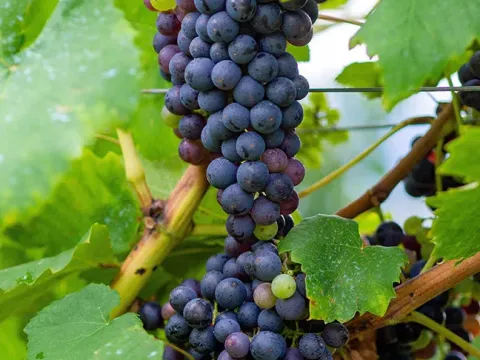
Vitis bourquiniana
Vitis bourquiniana
Vitis bourquiniana is a species within the Vitaceae family, originating from historical crosses between European Vitis vinifera and American wild grape species. It is widely recognized for its robust nature and hybrid vigor.
What the section contains
Vitis bourquiniana
The plant features distinct leaves, often with characteristic pubescence on the underside, and is known for its strong, vigorous growth habit in diverse temperate environments.
Successful cultivation requires full sun exposure and deep, well-drained soil types. It demonstrates higher tolerance to various soil pH levels compared to pure European Vitis vinifera cultivars.
Climatic requirements involve a long growing season with sufficient thermal accumulation, which is necessary for proper fruit maturation and vine hardening before winter dormancy.
Horticultural practices must focus on trellis training and systematic pruning to manage canopy density, improve air circulation, and ensure maximum productivity of the vine.
Vitis bourquiniana is primarily valued in agriculture for wine production and as an important genetic source for breeding programs aimed at developing disease-resistant grape varieties.
The fruit yields are generally consistent, offering reliable harvests that support both commercial winemaking and local fruit production objectives across its cultivated range.
The juice quality of this species is notable, often containing a balanced sugar-to-acid ratio suitable for blending in high-quality wine production processes.
Productivity is maximized when irrigation is managed according to local rainfall patterns and when the vines are shielded from extreme weather fluctuations.
Long-term yield sustainability is achieved by maintaining vine health and soil fertility through precise nutrient management throughout the active vegetation cycle.
While exhibiting higher resilience to some endemic diseases than traditional European varieties, Vitis bourquiniana remains susceptible to common threats such as powdery mildew (Oidium) and downy mildew (Plasmopara viticola).
Key insect pests that require management include phylloxera and various species of mites, which can damage vine tissue and significantly reduce plant vigor if left unchecked.
Integrated pest management strategies are recommended, emphasizing cultural practices that minimize moisture buildup around the canopy to deter fungal growth.
Chemical control should be applied strictly according to regional protocols, ensuring the protection of beneficial organisms in the vineyard ecosystem.
- Canopy management to increase sunlight penetration
- Monitoring for early symptoms of fungal infection
- Strategic application of organic or chemical fungicides