
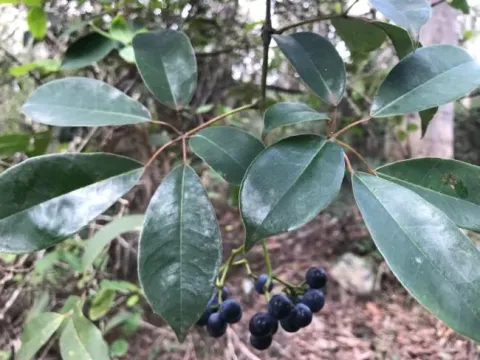
Vitis hypoglauca
Vitis hypoglauca
Vitis hypoglauca, commonly known as the rainforest grape, is a vigorous perennial woody vine belonging to the Vitaceae family. It is endemic to the eastern coastal regions of Australia, specifically thriving in subtropical rainforest environments.
What the section contains
Vitis hypoglauca
The botanical characteristics of the plant include large, alternate leaves that feature a distinct glaucous (bluish-grey) coating on their underside, which is the primary identifier of this particular species within the Vitis genus.
To cultivate this species, one must replicate its natural humid, subtropical habitat. It requires consistently warm temperatures and high levels of atmospheric moisture to sustain its rapid growth rate throughout the growing season.
The soil requirements involve well-draining, nutrient-rich substrates, ideally with a slightly acidic to neutral pH. Proper irrigation management is critical, as the roots require constant moisture but are highly susceptible to rot if water stagnation occurs.
In terms of agricultural utility, Vitis hypoglauca is primarily studied for its genetic diversity. It serves as a source for breeding programs looking to introduce unique physiological traits into commercial grape varieties.
The plant is susceptible to common viticultural pathogens, including downy mildew and powdery mildew, which thrive in the same humid conditions required by the plant itself, necessitating careful ventilation.
Pest management is focused on controlling infestations of spider mites and mealybugs, which are common issues when the plant is grown in greenhouse settings or sheltered botanical collections.