
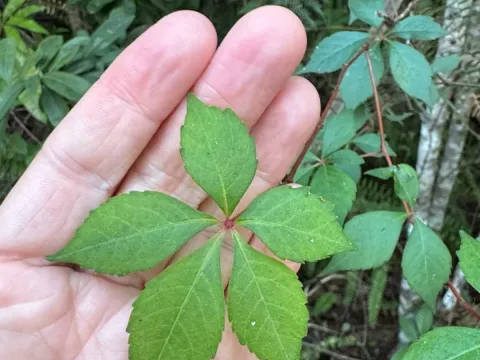
Virginia creeper
Parthenocissus Planch.
Virginia creeper (Parthenocissus) belongs to the Vitaceae family and is a robust, deciduous climbing vine widely valued for its rapid growth and high ornamental potential in vertical gardening projects across North America and Eastern Asia.
What the section contains


Virginia creeper
This species thrives in a wide range of soil conditions, including heavy clays and rocky terrains, though it performs optimally when planted in well-drained, nutrient-rich soil that retains sufficient moisture during the active growing season.
The botanical structure of the plant includes specialized tendrils equipped with adhesive pads, which allow the vine to cling to stone, brick, and wooden surfaces without requiring trellis systems or manual support mechanisms.
Climate adaptability is one of its primary strengths; the plant shows excellent cold hardiness, surviving harsh winter temperatures in temperate zones while remaining productive and vigorous throughout the subsequent spring and summer seasons.
Basic agronomic maintenance involves regular pruning to keep the vine within its intended boundaries and occasional supplemental watering during the initial establishment period until the root system is fully developed and autonomous.
While generally disease-resistant, Virginia creeper can be susceptible to powdery mildew during periods of high humidity and poor air circulation, particularly if the foliage remains wet for extended durations.
Pest issues are usually minimal, though spider mites and aphids may colonize the vine during hot, dry summer months, leading to leaf discoloration and stunted shoot development if left unchecked by proper maintenance.
Management of these threats involves cultural practices such as selective pruning for better ventilation and the targeted application of horticultural oils or approved insecticides when infestations reach economic thresholds.
Root rot is rarely an issue unless the plant is located in an area with extremely poor drainage or constant waterlogging, which necessitates careful site selection during the primary planting phase.
Regular monitoring of the vine's health and immediate removal of any diseased plant material help maintain the overall vitality and aesthetic appeal of the green surface throughout the growing cycle.