
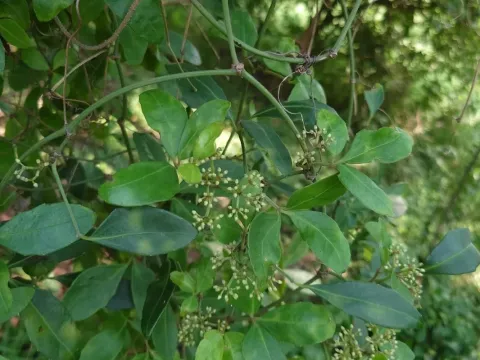
Vitis shifunensis
Vitis shifunensis
Vitis shifunensis is a wild grape species within the Vitaceae family, native to the forest regions of China. As a woody climber, it exhibits characteristic morphological traits of the Vitis genus adapted to sub-mountainous forest habitats.
What the section contains
Vitis shifunensis
The plant requires deep, well-drained soils with a high content of organic matter to thrive. It performs best in environments where root aeration is constant, avoiding waterlogged sites that may lead to root rot in younger specimens.
Regarding climate, Vitis shifunensis prefers temperate zones with moderate humidity levels. It has shown significant resilience to cold winters, making it an interesting candidate for study in breeding programs aimed at cold-hardy grape development.
Proper agricultural practices include providing structural supports as the vine is naturally adapted to climbing. Training the vine effectively encourages canopy development, which is essential for photosynthesis and energy storage.
The primary utility of this species is in genetic conservation and scientific research. It serves as a valuable resource for viticulturists looking to introduce disease resistance genes into commercially cultivated grape varieties.
Downy mildew is the most significant pathological threat for Vitis shifunensis when cultivated in humid environments with poor air circulation. Proper canopy management is the first line of defense against this pathogen.
Powdery mildew can affect young foliage during hot and dry spells. Maintaining adequate plant spacing and performing regular pruning helps reduce the buildup of inoculum within the vineyard or garden area.
Various mite species may attack the leaves, especially in dry, sheltered conditions. Integrated pest management, including the encouragement of natural predators, is recommended to keep pest populations below the economic injury level.
Anthracnose can pose risks during seasons with heavy spring rainfall. Protecting young growth with preventive sprays and ensuring good site sanitation are critical components of maintaining a healthy vine.
Vigilance against viral diseases transmitted by soil-borne vectors is necessary when planting in new locations, ensuring only healthy rootstock is utilized for propagation purposes.